
Introduction
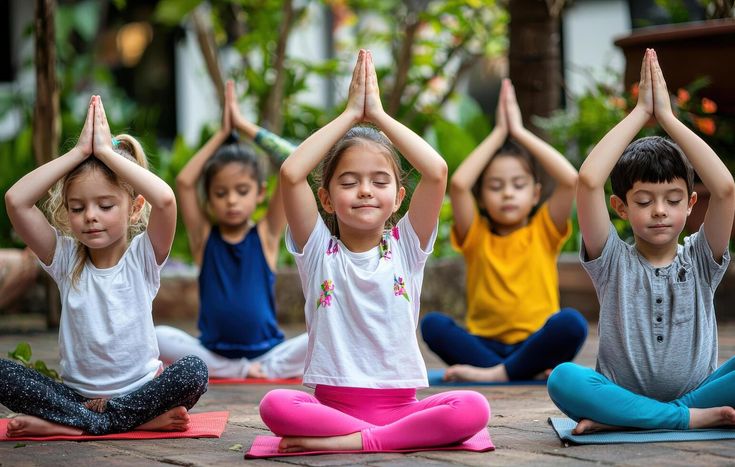
In today’s fast-paced world, children face increasing physical inactivity, screen dependency, and emotional stress from a very young age. Introducing Best Yoga for Kids at an early stage helps create a strong foundation for lifelong health and inner balance. Rooted in ancient Ayurvedic wisdom, kids’ yoga focuses on gentle movements, breathing techniques, and mindful relaxation that are both fun and safe. This natural practice supports children in growing stronger, calmer, and more confident while enjoying the process.
Why Yoga for Kids Is Important
Children’s bodies and minds are constantly developing. Yoga classes for children offers a holistic approach that nurtures both physical growth and emotional well-being. Unlike competitive sports, yoga encourages self-awareness rather than comparison. Best Yoga for Kids It teaches kids to listen to their bodies, respect their limits, and develop a positive relationship with movement and mindfulness.
Physical Benefits of Yoga for Kids
Yoga for kids supports healthy physical development in many ways:
- Improves flexibility and posture
- Strengthens muscles and joints naturally
- Enhances balance and coordination
- Supports healthy digestion and metabolism
- Boosts immunity and overall vitality
Regular practice helps children stay active without strain, making it an ideal wellness routine.
Mental and Emotional Benefits
Beyond physical health, yoga plays a powerful role in shaping a child’s emotional world:
- Improves concentration and memory
- Reduces anxiety and restlessness
- Encourages emotional regulation
- Builds self-confidence and self-esteem
- Promotes calmness and inner peace
Through breathing and relaxation techniques, children learn how to manage emotions in a healthy way.
Ayurvedic Approach to Yoga for Kids
Ayurveda emphasizes balance between body, mind, and nature. When Yoga classes for children is practiced according to Ayurvedic principles, it supports a child’s natural constitution. Best Yoga for Kids Gentle yoga postures combined with mindful breathing help maintain internal balance, encourage proper sleep, and promote natural growth. This holistic approach ensures yoga remains safe, nurturing, and effective for children of all ages.
Fun Yoga Practices for Kids
To keep children engaged, yoga sessions are designed to be playful and enjoyable. Common kid-friendly yoga practices include:
- Animal-inspired poses that spark imagination
- Simple stretching routines with storytelling
- Breathing exercises taught through games
- Short relaxation sessions using visualization
This fun approach helps children stay interested while gaining all the health benefits.
Safety and Comfort in Kids’ Yoga
Safety is the most important aspect of yoga for kids. Yoga classes for children Practices are gentle, age-appropriate, and guided carefully to avoid strain. Sessions focus on comfort, natural movement, and breathing awareness rather than perfection. This ensures children enjoy yoga without pressure or risk.
How Yoga Helps Build Healthy Habits
Introducing yoga early encourages discipline, routine, and self-care. Children who practice yoga regularly often develop better sleep patterns, healthier posture, and a more positive attitude toward physical activity. These habits continue into adulthood, supporting long-term wellness.
Conclusion
Best Yoga for Kids is more than just physical exercise it is a natural path to strong health, calm minds, and emotional balance. By combining fun activities with safe, Ayurvedic-inspired practices, children learn to connect with their bodies and emotions in a healthy way. Encouraging yoga from a young age helps shape happier, healthier, and more mindful individuals for the future.
Yoga for kids is a priceless gift that supports a child’s overall growth in a gentle, natural, and joyful way. Rooted in ancient Ayurvedic wisdom, yoga helps children develop physical strength, mental clarity, emotional stability, and inner confidence from an early age. Through regular practice, kids learn how to stay active, focused, and calm while building healthy habits that last a lifetime.
Incorporating yoga into a child’s daily routine encourages balance in both body and mind. It supports better posture, stronger immunity, improved concentration, and emotional resilience qualities that are essential in today’s fast-moving and technology-driven world. Most importantly, yoga teaches children self-awareness, patience, and mindfulness in a way that feels fun and stress-free.
By introducing yoga for kids at the right age, parents help create a strong foundation for lifelong wellness. This holistic approach not only nurtures healthier children but also shapes more confident, compassionate, and balanced individuals. Yoga for kids is truly an investment in a happier, healthier, and more harmonious future.