Introduction
Knee pain is one of the most common musculoskeletal conditions affecting people of all ages. Whether it develops due to an injury, arthritis, aging, obesity, or repetitive stress, knee pain can significantly impact daily life, making it difficult to walk, climb stairs, exercise, or even stand for extended periods. Ignoring knee pain can lead to worsening symptoms and long-term joint damage, which is why early diagnosis and proper knee pain treatment are essential.
Modern knee pain treatment has evolved considerably over the years. Patients now have access to advanced diagnostic techniques, non-surgical therapies, physiotherapy, minimally invasive procedures, and specialized surgical options when required. The right treatment depends on identifying the underlying cause of the pain rather than simply managing the symptoms.
This comprehensive guide explores everything you need to know about knee pain treatment, including its causes, symptoms, diagnosis, available treatment options, rehabilitation, prevention strategies, and lifestyle changes that support long-term joint health. Understanding these aspects can help patients make informed decisions and regain mobility with confidence.
Understanding Knee Pain
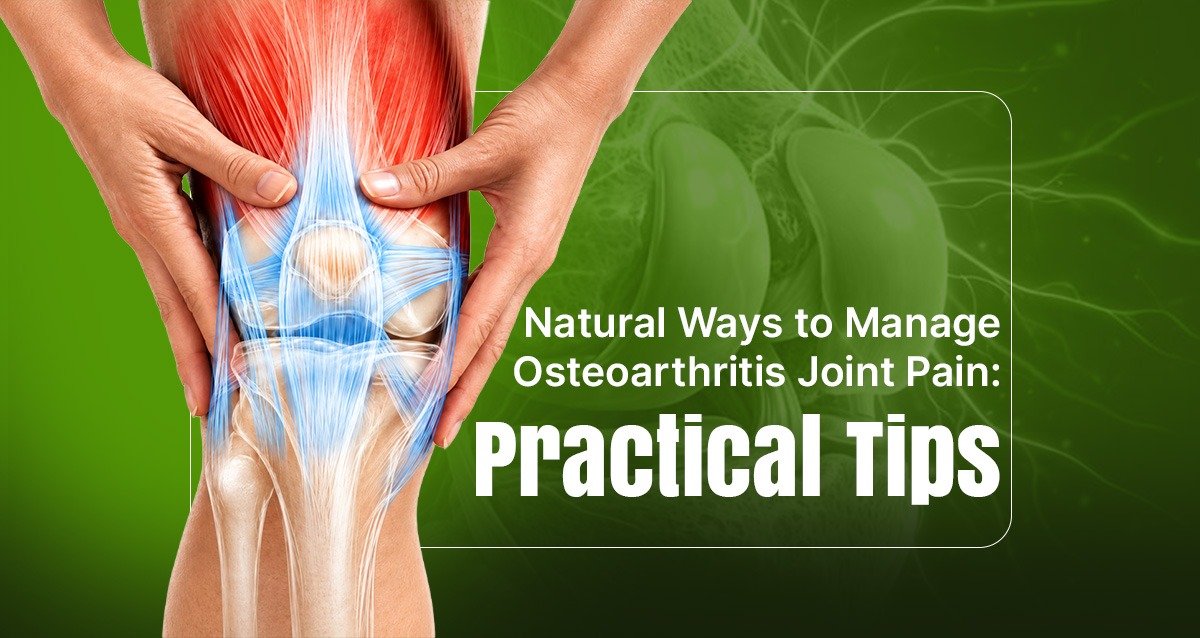
The knee is one of the largest and most complex joints in the human body. It connects the thigh bone to the shin bone and is supported by cartilage, ligaments, tendons, muscles, and the kneecap. Because the knee bears most of the body’s weight during standing, walking, running, and jumping, it is particularly vulnerable to injuries and degenerative conditions.
Knee pain may occur suddenly following trauma or develop gradually due to wear and tear. Some people experience mild discomfort during physical activity, while others suffer from chronic pain that interferes with everyday activities. The severity of symptoms varies depending on the underlying condition, age, activity level, and overall health.
Effective knee pain treatment begins with understanding the specific cause of the pain. Treating the underlying condition rather than masking symptoms provides better long-term outcomes and reduces the likelihood of recurring issues.
Common Causes of Knee Pain
Several medical conditions and injuries can contribute to knee pain. Identifying the exact cause allows healthcare professionals to recommend the most suitable treatment plan.
Osteoarthritis is among the leading causes of chronic knee pain. As cartilage gradually wears away, bones begin rubbing against one another, resulting in pain, stiffness, swelling, and reduced mobility. Osteoarthritis is particularly common among older adults but may also affect younger individuals with previous knee injuries.
Rheumatoid arthritis is an autoimmune disease that causes inflammation within the knee joint. Unlike osteoarthritis, rheumatoid arthritis can affect multiple joints simultaneously and often requires specialized medical treatment.
Sports injuries frequently cause knee pain among athletes and active individuals. Torn ligaments such as the ACL, MCL, or PCL, meniscus tears, tendon injuries, and cartilage damage can all result in severe pain and instability.
Patellar tendinitis, often known as jumper’s knee, develops due to repetitive stress on the tendon connecting the kneecap to the shinbone. It commonly affects athletes involved in running, basketball, volleyball, and similar high-impact sports.
Bursitis occurs when the fluid-filled sacs cushioning the knee become inflamed. This condition often develops due to prolonged kneeling, repeated pressure, infection, or injury.
Excess body weight places additional stress on the knee joints, increasing the risk of cartilage degeneration, inflammation, and chronic pain. Maintaining a healthy weight is an important part of successful knee pain treatment.
Symptoms That Require Knee Pain Treatment
Knee pain may present in many different ways depending on its cause. Some symptoms require immediate medical attention, while others develop gradually over time.
Persistent pain during walking, standing, or climbing stairs is one of the earliest signs that professional evaluation may be necessary. Many patients also experience swelling, warmth, redness, and tenderness around the affected joint.
Joint stiffness, especially after waking up or sitting for long periods, often indicates arthritis or inflammation. Some individuals notice grinding, clicking, or popping sounds during movement, suggesting cartilage wear or meniscus injury.
Limited range of motion, difficulty bending or straightening the knee, instability, or the sensation that the knee may give way can indicate ligament damage or severe joint degeneration.
Sudden severe pain following an accident, inability to bear weight, obvious deformity, or rapid swelling should always be evaluated immediately, as these symptoms may indicate fractures or significant ligament injuries.
How Knee Pain Is Diagnosed
Successful knee pain treatment depends on obtaining an accurate diagnosis. Orthopedic specialists begin with a detailed medical history, discussing symptom duration, previous injuries, physical activities, occupation, and overall health.
A comprehensive physical examination assesses joint movement, stability, swelling, tenderness, muscle strength, and alignment. These findings help narrow down the possible causes.
Imaging studies play an important role in confirming the diagnosis. X-rays help identify arthritis, fractures, and bone abnormalities, while MRI scans provide detailed images of cartilage, ligaments, tendons, and menisci. Ultrasound imaging may be used to evaluate soft tissue injuries, fluid accumulation, or tendon inflammation.
In cases where infection or inflammatory arthritis is suspected, blood tests and joint fluid analysis may be recommended. Combining clinical evaluation with imaging and laboratory investigations ensures that treatment is tailored to the patient’s specific condition.
Non-Surgical Knee Pain Treatment
Most patients can successfully manage knee pain without surgery. Conservative treatment focuses on reducing pain, controlling inflammation, improving mobility, strengthening supporting muscles, and preventing further joint damage.
Rest allows injured tissues to heal while avoiding activities that aggravate symptoms. Temporary modification of physical activity can significantly reduce inflammation and discomfort.
Applying ice packs during the first few days after an injury helps decrease swelling and pain. Heat therapy may later be beneficial for reducing stiffness and improving circulation in chronic conditions.
Doctors may prescribe anti-inflammatory medications or pain relievers to manage symptoms. In some cases, topical medications provide localized relief with fewer systemic side effects.
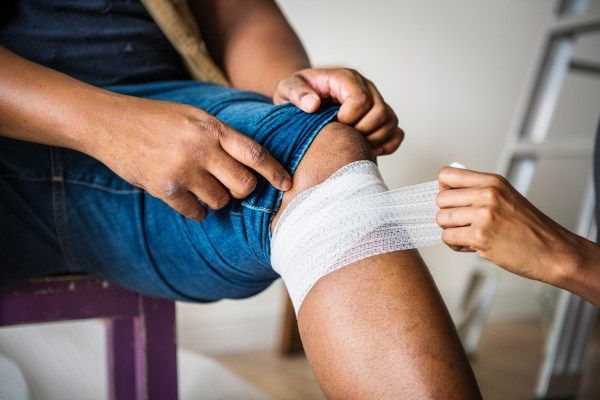
Bracing and supportive knee sleeves improve stability, reduce stress on injured structures, and provide additional confidence during movement. Orthotic shoe inserts may also improve knee alignment and walking mechanics.
Weight management is another essential component of non-surgical knee pain treatment. Even modest weight loss can reduce pressure on the knee joints, improve mobility, and slow the progression of arthritis.
The Importance of Physiotherapy for Knee Pain Treatment
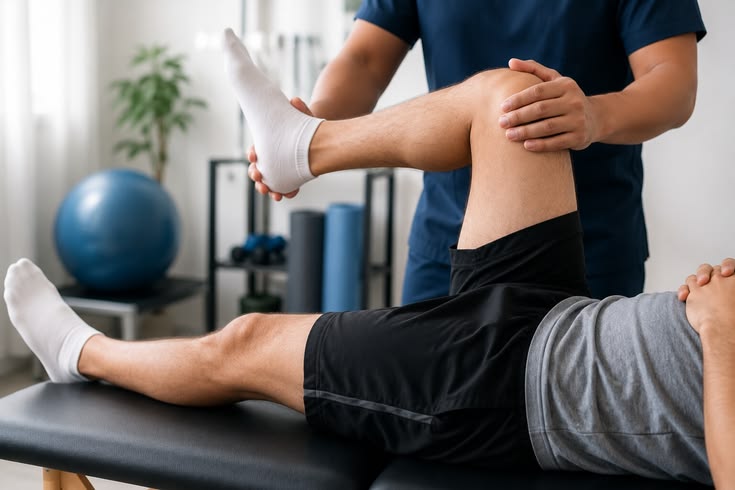
Physiotherapy is one of the most effective long-term solutions for many knee conditions. Rather than focusing only on symptom relief, physiotherapy addresses muscle weakness, poor movement patterns, reduced flexibility, and joint instability that contribute to ongoing pain.
A personalized physiotherapy program typically includes strengthening exercises for the quadriceps, hamstrings, gluteal muscles, and calf muscles. Stronger muscles provide better support for the knee joint and reduce mechanical stress during everyday activities.
Stretching exercises improve flexibility and reduce stiffness, while balance and coordination training enhance joint stability and decrease the risk of future injuries. Manual therapy techniques, therapeutic ultrasound, electrical stimulation, and other rehabilitation methods may also be incorporated to accelerate recovery.
Patients who consistently follow a professionally designed physiotherapy program often experience significant improvements in pain, mobility, functional independence, and overall quality of life.