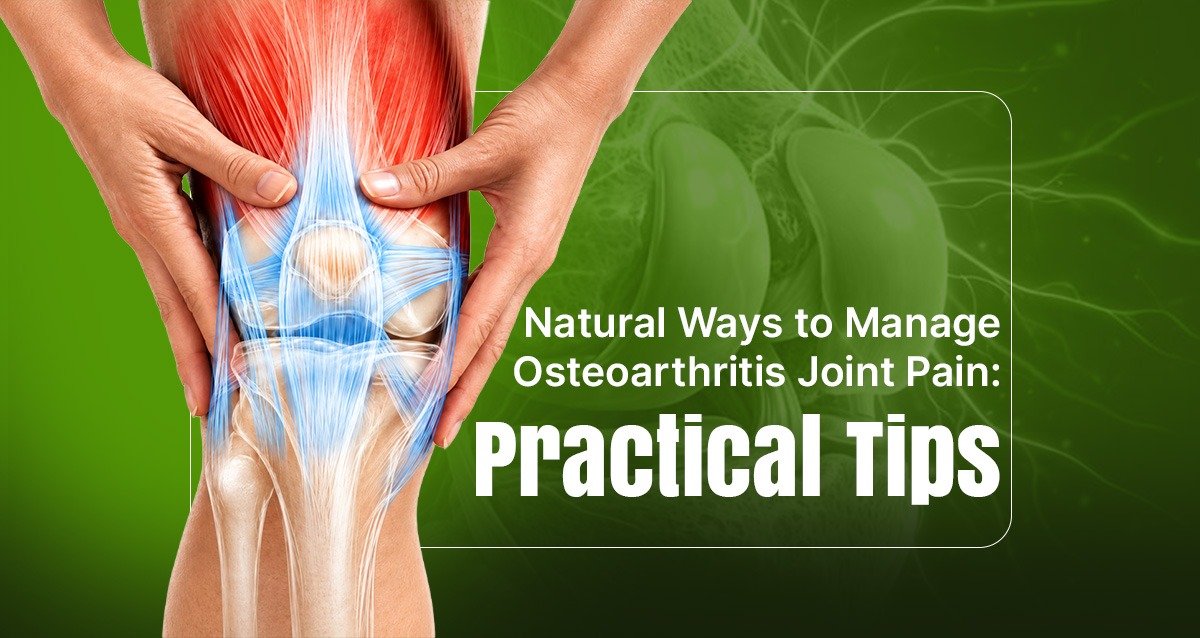
Living with osteoarthritis joint pain can be challenging to do everyday activities such as walking, climbing stairs or getting out of a chair. Joint stiffness and reduced mobility can also affect your daily routine. Although there is no single solution that works for everyone, several lifestyle changes can help manage symptoms and maintain movement.
The natural ways to manage osteoarthritis joint pain include regular low-impact exercise, maintaining a healthy weight, eating a balanced diet, improving sleep and using heat or cold for temporary relief. Making simple adjustments to your daily routine can help ease pressure on your joints and make daily movements less challenging.
There are also some who investigate alternative methods like Ayurveda along with mainstream treatment options. Nevertheless, natural treatment does not always work, and its safety and efficacy vary. Knowing which options could possibly work and when to consult the experts is essential for managing your osteoarthritis pain.
What Are the Natural Ways to Manage Osteoarthritis Joint Pain?
Several lifestyle approaches can help manage osteoarthritis symptoms, including pain, stiffness and reduced mobility. These include appropriate physical activity, strength exercises, weight management, balanced nutrition and healthy daily habits.
Osteoarthritis involves changes to the structures within a joint, including the cartilage that cushions the ends of bones. Although these changes can affect movement, avoiding physical activity completely may contribute to muscle weakness and stiffness.
Consider incorporating these approaches into your routine:
- Regular movement: Walking, swimming and other low-impact activities help maintain mobility.
- Strength exercises: Stronger muscles support joints and improve everyday function.
- Weight maintenance: Managing a healthy weight helps to decrease pressure on weight bearing joints and supports better mobility.
- Balanced nutrition: A varied diet supports general health.
- Heat and cold: These may provide temporary relief from stiffness, pain or swelling.
- Healthy habits: Adequate sleep, movement breaks and activity pacing can improve daily comfort.
These measures support symptom management but do not reverse all osteoarthritis-related joint changes.
Stay Active With Joint-Friendly Exercise
Exercise is an important part of osteoarthritis management because it helps maintain muscle strength, flexibility and joint function. Although movement may initially feel uncomfortable, appropriate activity can help you remain mobile.
Suitable exercises may include:
- Walking: Taking short walks on flat, even surfaces helps you stay active and maintain mobility.
- Swimming: Water-based exercise reduces weight-bearing stress on joints.
- Cycling: A stationary bicycle offers a low-impact exercise option.
- Range-of-motion exercises: Gentle movements help maintain flexibility.
- Strength training: Suitable exercises strengthen the muscles supporting affected joints.
Start with manageable activity and gradually increase duration or intensity according to your comfort. Choose exercises you can perform consistently, and adjust your routine if pain becomes significantly worse.
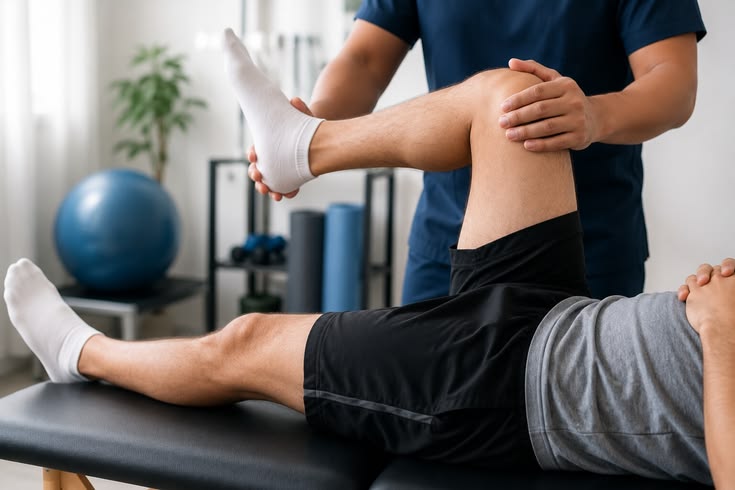
If you experience considerable pain or face mobility limitations, a physiotherapist can help create an exercise plan suited to your needs.
Maintain a Healthy Weight to Reduce Joint Stress
Excess body weight increases mechanical stress on weight-bearing joints, particularly the knees, hips and ankles. For people carrying excess weight, gradual weight loss may reduce joint loading and make activities such as walking and climbing stairs more manageable.
The aim is to support joint function rather than pursue unrealistic weight-loss goals. Losing weight does not regenerate damaged cartilage or guarantee pain relief.
A balanced diet, regular physical activity and gradual lifestyle adjustments can support long-term health.If joint pain limits movement, begin with activities that feel manageable and seek professional guidance when needed.
Choose a Balanced Diet for Overall Joint Health
A balanced diet supports general health and healthy weight management, both of which are relevant to osteoarthritis care. However, no single food has been established as a cure for osteoarthritis.
Include a variety of nutrient-rich foods in your meals:
- Vegetables and fruits for vitamins, minerals and fibre.
- Whole grains, such as oats and brown rice, for fibre and energy.
- Legumes, Lentils and chickpeas are good sources of protein and dietary fibre.
- Nuts and seeds, Offers beneficial fats along with a range of essential nutrients.
- Protein-rich foods, such as eggs, fish and suitable plant-based sources, to maintain muscle.
- Oily fish, such as sardines and salmon, as sources of omega-3 fatty acids.
Stay adequately hydrated and avoid relying on restrictive diets or expensive supplements advertised as arthritis cures. If you are considering supplements, consult a healthcare professional, especially if you take medication.
Focus on an overall balanced eating pattern rather than searching for one food that promises joint pain relief.
Apply Heat or Cold to Ease Symptoms Temporarily
Heat and cold may help manage certain osteoarthritis symptoms, although their effects are temporary.
- Heat therapy: A warm shower or warm compress may ease stiffness and muscle tightness, particularly in the morning or after resting.
- Cold therapy: A cold pack may provide temporary pain relief or help with swelling after activity.
Always protect your skin and avoid excessive temperatures or prolonged exposure. People with reduced skin sensation or circulation problems should seek professional advice before using these methods.
Heat and cold can support comfort but do not reverse osteoarthritis-related joint changes. Symptoms that persist or become more severe may need further treatment.
Improve Sleep and Daily Movement Habits
Sleep and everyday movement habits can influence how comfortably you manage osteoarthritis. Pain may interrupt sleep, while poor sleep can make pain harder to manage. Reduced activity may then contribute to weakness and stiffness.
To support your daily routine:
- Maintain a consistent sleep schedule.
- Take movement breaks instead of sitting for prolonged periods.
- Divide demanding tasks into smaller steps.
- Alternate activity with appropriate rest.
- Avoid sudden increases in physical activity.
- Choose supportive footwear when appropriate.
Pacing activities allows you to remain active without putting excessive strain on your joints. Small, consistent adjustments can make everyday tasks easier to manage.
Can Ayurveda Help With Osteoarthritis Joint Pain?
Other individuals choose to explore Ayurveda as an additional option for treatment of osteoarthritis. According to the patient’s individual needs, he/she may receive some lifestyle advice, dietary guidelines, massage and other forms of therapy. Abhyanga is an oil massage, and Kizhi is another form of massage that might require heating of certain herbs and their application on the body of a person. These forms of therapy may allow some individuals to feel relaxed and relieve their pain temporarily.
However, results of each procedure vary, and there is no evidence that Ayurveda is an effective therapy that can help people heal from osteoarthritis, repair cartilage, or avoid surgery. Should you decide to treat osteoarthritis with Ayurveda, find a certified therapist and discuss your condition, symptoms, and medication with him/her. Some herbs may have some negative effects and interact with other drugs.
Ayurveda should complement, not replace, appropriate medical care. You can explore Manah’s joint pain and osteoarthritis treatment services to learn more about available options and discuss their suitability with a qualified practitioner.
What Should You Avoid When Managing Osteoarthritis?
Certain habits can make osteoarthritis symptoms more difficult to manage.
- Complete inactivity: Avoiding all movement may contribute to weakness and stiffness. Choose suitable activities instead.
- Pushing through severe pain: Adjust exercises if symptoms worsen significantly.
- Sudden, intense exercise: Increase activity gradually to avoid aggravating symptoms.
- Unproven cures: Be cautious of treatments promising permanent relief or cartilage regeneration.
- Stopping prescribed medication: Discuss medication changes with your prescribing healthcare professional first.
A balanced approach focuses on maintaining mobility, managing symptoms and making informed decisions rather than seeking a quick fix.
When Should You See a Doctor About Joint Pain?
Persistent or unexplained joint pain deserves professional assessment. Not all joint pain is caused by osteoarthritis, so an accurate diagnosis is important. Consult a healthcare professional if pain persists, worsens, interferes with daily activities, causes increasing movement difficulties or follows an injury.
Seek urgent medical attention if a joint becomes unusually hot, red and swollen, particularly if you also have a fever or feel unwell. Sudden severe pain or an inability to bear weight also requires prompt assessment. A doctor can evaluate your symptoms and discuss suitable treatments, which may include lifestyle changes, medication, physiotherapy or other interventions. Surgery may be considered when symptoms remain severe despite appropriate non-surgical treatment.
Create a Simple Daily Routine for Osteoarthritis Care
A realistic routine can help you combine movement, balanced nutrition and rest without overloading your joints.
Morning
- Try gentle range-of-motion exercises.
- Take a short walk if comfortable.
- Eat a balanced breakfast.
During the day
- Take regular movement breaks.
- Perform suitable physical activity.
- Pace demanding tasks and rest when needed.
- Drink water regularly and eat balanced meals.
Evening
- Try gentle stretching if comfortable.
- Allow time to relax.
- Maintain a consistent bedtime routine.
This is a general example, not a medical prescription. Adjust your routine to your symptoms, mobility and healthcare professional’s advice.
Conclusion
Natural remedies for joint pain due to osteoarthritis include staying active, being comfortable and remaining healthy. Regular low-impact exercise, muscle strengthening exercises, proper nutrition, proper weight maintenance and getting enough rest can be effective for symptom control.
Complementary treatment options like Ayurveda therapy may also be an option in some cases along with medical care. No natural cure exists for osteoarthritis. Begin with small changes in lifestyle habits, observe your body and get professional help if you are experiencing worsening symptoms.
FAQs
1. What is the best natural way to manage osteoarthritis pain?
There is no single remedy that works for everyone. Appropriate exercise, strength training, healthy weight management and balanced nutrition can help manage symptoms. Heat or cold may also provide temporary relief.
2. Can exercise make osteoarthritis worse?
Suitable exercise is generally an important part of osteoarthritis management, but excessive activity may aggravate symptoms. Start gradually and adjust your routine if pain becomes significantly worse.
3. What foods are good for osteoarthritis?
Vegetables, fruits, whole grains, legumes, nuts, seeds and adequate protein support general health. Oily fish provides omega-3 fatty acids. No individual food has been established as a cure.
4. Can weight loss help osteoarthritis pain?
For people carrying excess weight, gradual weight loss may reduce stress on weight-bearing joints and improve mobility. However, results vary, and weight loss does not regenerate damaged cartilage.
5. Does heat help osteoarthritis pain?
Heat may temporarily ease stiffness, while cold may provide temporary pain relief or help with swelling. Protect your skin and avoid excessive temperatures.
6. Can Ayurveda help with osteoarthritis?
Ayurveda may offer complementary therapies and lifestyle guidance, but evidence varies. It is not an established cure for osteoarthritis and should not replace medically indicated treatment.
7. When should I see a doctor for osteoarthritis pain?
Seek professional assessment for persistent, worsening, severe or unexplained pain. A hot, red, swollen joint with fever or sudden severe pain requires urgent medical attention.