Introduction
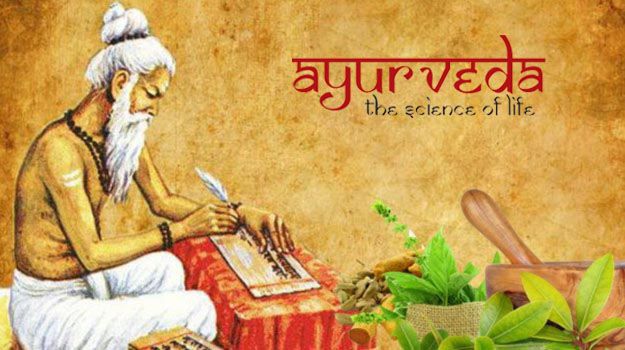
Ayurvedic Massage: Benefits, Types, Techniques, is one of the oldest and most effective natural healing therapies in the world. Originating in India more than 5,000 years ago, this traditional practice is deeply rooted in Ayurveda, the ancient system of holistic medicine that focuses on balancing the body, mind, and spirit. Unlike conventional massage therapies that primarily aim to relax muscles, Ayurvedic massage combines therapeutic herbal oils, specialized massage techniques, and the principles of Ayurveda to restore harmony within the body and promote long-term wellness.

Today, Ayurvedic massage has become increasingly popular worldwide as people seek natural alternatives for stress management, pain relief, detoxification, improved circulation, and enhanced overall health. Whether you are dealing with chronic muscle pain, joint stiffness, fatigue, anxiety, or simply looking to improve your quality of life, Ayurvedic massage offers a comprehensive approach that supports both physical and mental well-being.
The growing demand for holistic healthcare has made Ayurvedic massage one of the most sought-after wellness therapies in spas, wellness centers, and Ayurvedic clinics. With regular sessions under the guidance of trained therapists, individuals often experience improved flexibility, better sleep, reduced stress, enhanced immunity, and increased energy levels.
This comprehensive guide explains everything you need to know about Ayurvedic massage, including its history, principles, benefits, types, techniques, preparation, and how it supports natural healing for people of all ages.
What Is Ayurvedic Massage?
Ayurvedic massage is a therapeutic treatment based on the principles of Ayurveda. It involves the application of warm herbal oils specifically selected according to an individual’s body constitution, also known as Dosha. Skilled therapists use rhythmic massage techniques to improve blood circulation, stimulate the lymphatic system, nourish muscles and joints, remove toxins, and restore the body’s natural balance.
Unlike ordinary body massage, Ayurvedic massage focuses on correcting imbalances within the body’s energy systems. According to Ayurveda, health depends on maintaining equilibrium among the three Doshas known as Vata, Pitta, and Kapha. When these energies become imbalanced due to stress, unhealthy eating habits, environmental factors, or aging, various physical and emotional problems may develop. Ayurvedic massage aims to restore this balance naturally.
Every Ayurvedic massage session is personalized based on the individual’s health condition, body type, age, lifestyle, and wellness goals. Herbal oils containing medicinal ingredients play a significant role in enhancing therapeutic outcomes by penetrating deep into the tissues and supporting natural healing.
The Principles Behind Ayurvedic Massage
Ayurveda considers every individual unique. Rather than treating symptoms alone, it focuses on identifying and correcting the root cause of health concerns. Ayurvedic massage follows this philosophy by addressing both physical discomfort and internal imbalance.
The therapy stimulates circulation throughout the body, allowing oxygen and nutrients to reach tissues more efficiently. Improved lymphatic drainage helps eliminate metabolic waste and toxins while strengthening the body’s natural immune response.
Massage techniques also activate important energy channels known as Nadis and vital points called Marma points. These energy centers influence organ function, circulation, muscular health, and emotional well-being. Gentle stimulation of these areas helps restore energy flow and encourages the body’s own healing mechanisms.
Warm herbal oils provide nourishment for the skin, muscles, joints, and nervous system while reducing inflammation and improving flexibility. The combination of massage techniques and medicinal oils makes Ayurvedic massage a comprehensive wellness therapy rather than simply a relaxation treatment.
Major Benefits of Ayurvedic Massage
One of the primary reasons people choose Ayurvedic massage is its ability to provide both immediate relaxation and long-term health benefits. Regular treatments improve overall wellness by supporting multiple body systems simultaneously.
Stress reduction is among the most recognized benefits. Modern lifestyles expose individuals to constant mental pressure, long working hours, inadequate sleep, and emotional fatigue. Ayurvedic massage calms the nervous system, lowers stress hormone levels, and promotes deep physical and mental relaxation.
Pain management is another significant advantage. Individuals suffering from back pain, neck pain, shoulder stiffness, arthritis, muscle soreness, and sports injuries often experience considerable improvement through consistent therapy. Improved circulation reduces inflammation while herbal oils help soothe painful tissues.
Better blood circulation ensures that oxygen and nutrients are delivered efficiently throughout the body. Enhanced circulation accelerates tissue repair, improves organ function, and supports healthy skin.
Lymphatic drainage removes accumulated toxins and waste products from the body. Detoxification improves immunity, enhances metabolism, and contributes to increased energy levels.
Ayurvedic massage also improves flexibility by reducing muscle tightness and increasing joint mobility. This makes it beneficial for athletes, office workers, and elderly individuals who frequently experience stiffness.
Many people notice healthier skin after regular treatments. Herbal oils deeply moisturize the skin, improve elasticity, reduce dryness, and promote a youthful appearance through improved nourishment.
Another important benefit is improved sleep quality. By relaxing the nervous system and reducing anxiety, Ayurvedic massage helps individuals enjoy deeper and more restorative sleep.
Understanding the Three Doshas
The foundation of Ayurveda lies in balancing the three Doshas: Vata, Pitta, and Kapha. These biological energies regulate every function within the body.
Vata governs movement, circulation, breathing, and nervous system activity. Individuals with Vata imbalance often experience anxiety, dry skin, joint pain, constipation, and insomnia. Warm nourishing oils and gentle massage techniques help restore balance.
Pitta controls digestion, metabolism, body temperature, and transformation processes. Excess Pitta may result in inflammation, skin irritation, acidity, irritability, and excessive heat within the body. Cooling herbal oils and calming massage strokes are commonly recommended.
Kapha provides stability, lubrication, immunity, and strength. Kapha imbalance may lead to weight gain, sluggish digestion, congestion, fluid retention, and fatigue. Stimulating massage techniques combined with warming oils encourage circulation and improve metabolism.
A qualified Ayurvedic practitioner evaluates an individual’s Dosha before recommending the most appropriate massage therapy and herbal oils.
Types of Ayurvedic Massage
Ayurveda includes several specialized massage therapies designed to address different health conditions and wellness goals.
Abhyanga is the most popular full-body Ayurvedic massage. Warm herbal oils are gently massaged into the body using synchronized rhythmic movements that improve circulation, nourish tissues, reduce stress, and promote relaxation.
Pizhichil combines continuous pouring of warm medicated oil with therapeutic massage. This luxurious treatment is highly beneficial for joint disorders, muscle weakness, arthritis, neurological conditions, and overall rejuvenation.
Elakizhi involves applying warm herbal poultices filled with medicinal leaves after massage. The heat and herbs help reduce inflammation, relieve muscle pain, improve circulation, and support recovery from sports injuries.
Njavarakizhi uses medicated rice bundles dipped in herbal milk to nourish muscles, improve strength, and rejuvenate the body. It is commonly recommended for neurological disorders and muscle degeneration.
Udwarthanam is a dry herbal powder massage that stimulates metabolism, improves circulation, reduces cellulite, and supports healthy weight management.
Shiro Abhyanga focuses specifically on the head, scalp, neck, and shoulders. It relieves headaches, reduces stress, promotes hair health, and improves mental clarity.
Herbal Oils Used in Ayurvedic Massage
One of the defining features of Ayurvedic massage is the use of specially prepared herbal oils. These oils are selected according to the individual’s Dosha and therapeutic needs.
Sesame oil is one of the most commonly used base oils because of its warming properties. It penetrates deeply into tissues, nourishes muscles, improves circulation, and helps calm the nervous system.
Coconut oil is preferred for individuals with excess Pitta because of its cooling and soothing properties. It helps reduce inflammation, skin irritation, and excessive body heat.
Medicated oils prepared with herbs such as Ashwagandha, Bala, Brahmi, Neem, Dashamoola, Mahanarayana, and Kottamchukkadi are widely used to manage pain, strengthen muscles, improve joint mobility, calm the mind, and accelerate healing.
The selection of oils plays an essential role in maximizing the therapeutic benefits of Ayurvedic massage while addressing individual health concerns.