Stress is a common phenomenon in the current environment. Overworking, family pressures, tight schedules, and lack of time for recreation can impact one’s physical and emotional well-being. Persistent stress can also result in fatigue, sleep disorders, irritable nature, and lack of concentration.
For individuals seeking natural methods to relieve themselves of stress, Ayurveda can be of great help, offering traditional techniques that emphasize maintaining harmony between one’s body and soul. With its treatments, consultations and lifestyle tips, Ayurveda can provide you with holistic well-being.
In case you are considering Ayurvedic treatment for stress relief in Sharjah, having a clear understanding of these traditional methods will enable you to choose the best options for yourself. Citizens of Muwaileh and other neighborhoods will also be able to visit Manaha Ayurveda for their assistance.
Understanding Stress and Its Impact on Daily Life
Stress is the body’s natural response to challenging situations. A certain level of stress is normal, but prolonged stress can affect everyday activities and overall quality of life.
Some common experiences associated with stress include:
- Frequent tiredness and mental fatigue.
- Difficulty falling asleep or maintaining a regular sleep routine.
- Reduced concentration and productivity.
- Irritability and emotional discomfort.
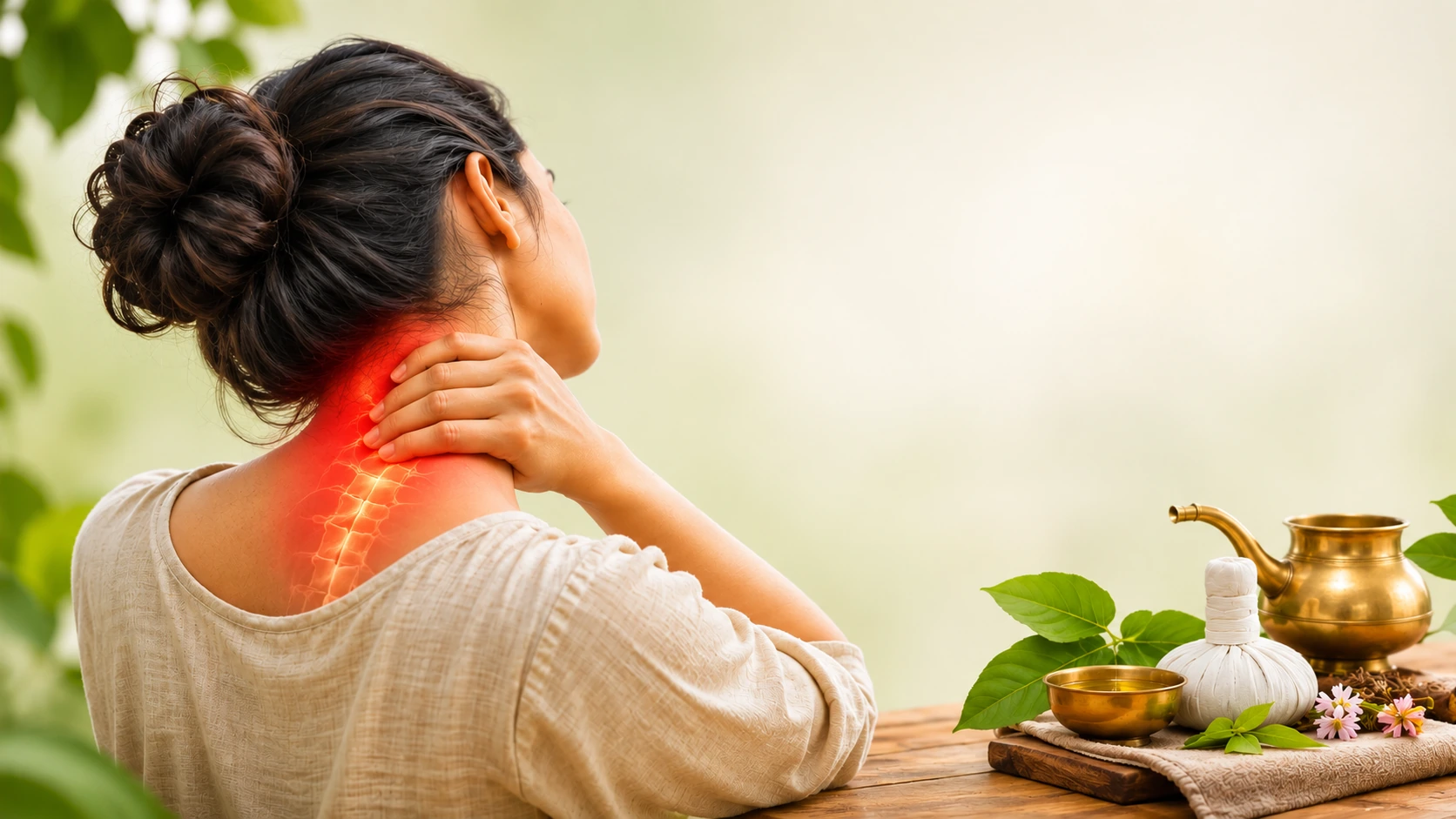
- Muscle tension and physical discomfort.
- Feeling overwhelmed by daily responsibilities.
Work-related pressure, irregular routines and insufficient rest can contribute to these experiences. Recognising the signs of stress is an important first step towards managing it.
While lifestyle changes can support general well-being, persistent or severe stress may require professional medical or mental health support.
How Ayurveda Approaches Stress Management
Ayurveda is a system of medicine practiced in India which emphasizes the link between physical fitness, mental fitness, and personal constitution.
Traditional Ayurvedic treatment is not uniform but depends on the individual’s need and his/her way of life.
Vata, Pitta, and Kapha are the three doshas. These three doshas play a very crucial role in the practice of Ayurveda as they denote different principles within the body.
- Vata: Traditionally associated with movement and nervous system functions.
- Pitta: Associated with transformation, digestion and metabolism.
- Kapha: Associated with stability, structure and nourishment.
According to traditional Ayurvedic practice, the balancing of these elements is essential for the well-being of an individual.
The Ayurveda practitioner takes into consideration various factors such as constitution and health of an individual when advising suitable relaxation techniques.
It serves as a basis for individuals who want to explore the use of Ayurveda for stress management.
Ayurvedic Therapies That Support Relaxation
Ayurveda includes several traditional therapies involving herbal oils, massage techniques and specialised procedures. Some of these practices are commonly associated with relaxation and general wellness.
Two therapies often discussed in this context are Shirodhara and Abhyanga.
Shirodhara Therapy for Relaxation
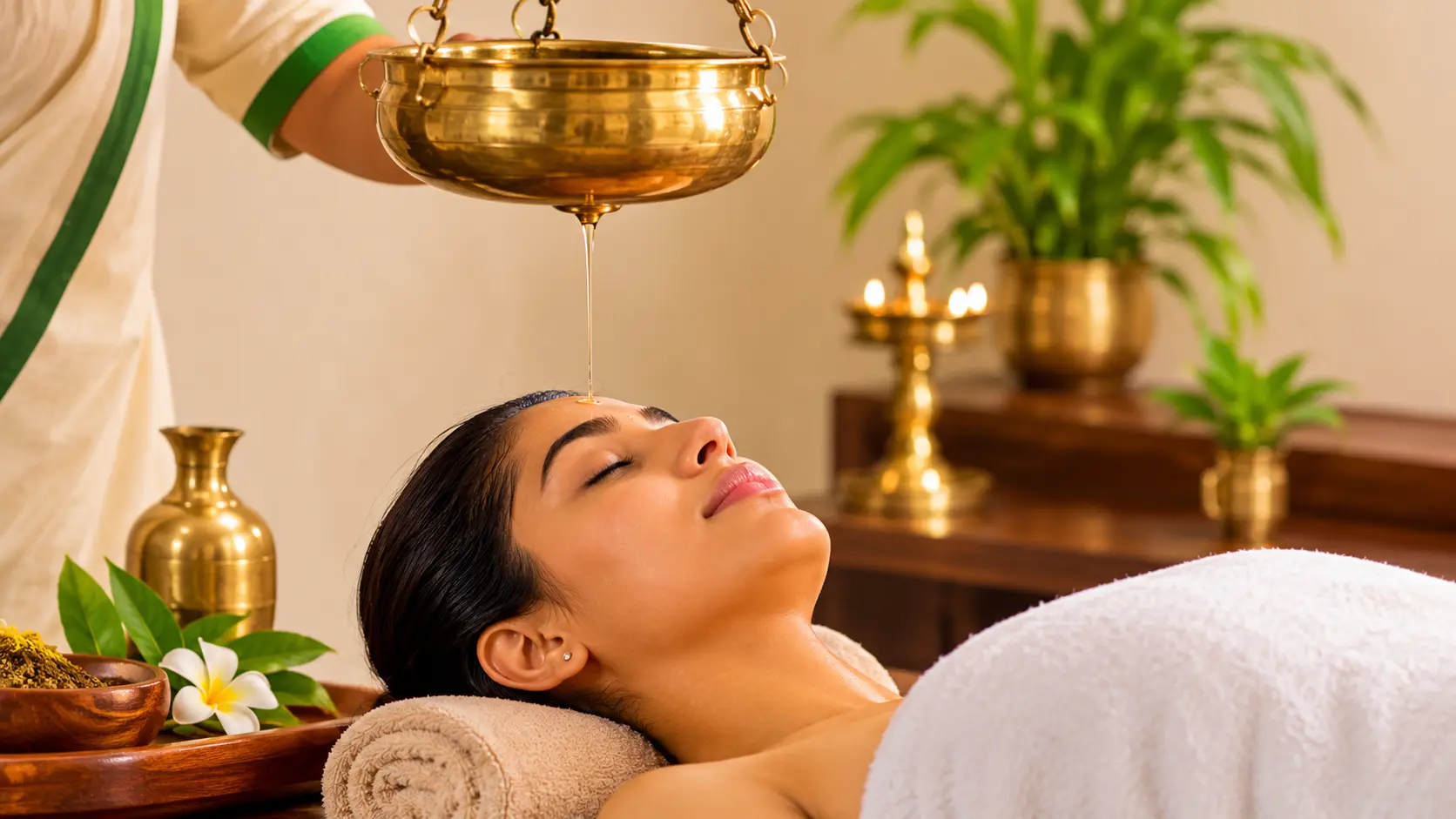
Shirodhara is a traditional Ayurvedic procedure in which a continuous stream of liquid, commonly warm oil, is gently poured over the forehead in a controlled manner.
It is traditionally used as part of certain Ayurvedic wellness programmes and is often associated with relaxation.
The procedure generally involves:
- Preparing the individual for the treatment.
- Selecting an appropriate liquid according to the practitioner’s assessment.
- Allowing the liquid to flow gently over the forehead.
- Maintaining a calm and comfortable treatment environment.
Many people explore Shirodhara as a relaxation experience. However, its suitability depends on individual health conditions and professional assessment.
People interested in Shirodhara therapy in Sharjah should consult a qualified practitioner to understand the procedure and whether it is appropriate for them.
Abhyanga Ayurvedic Massage
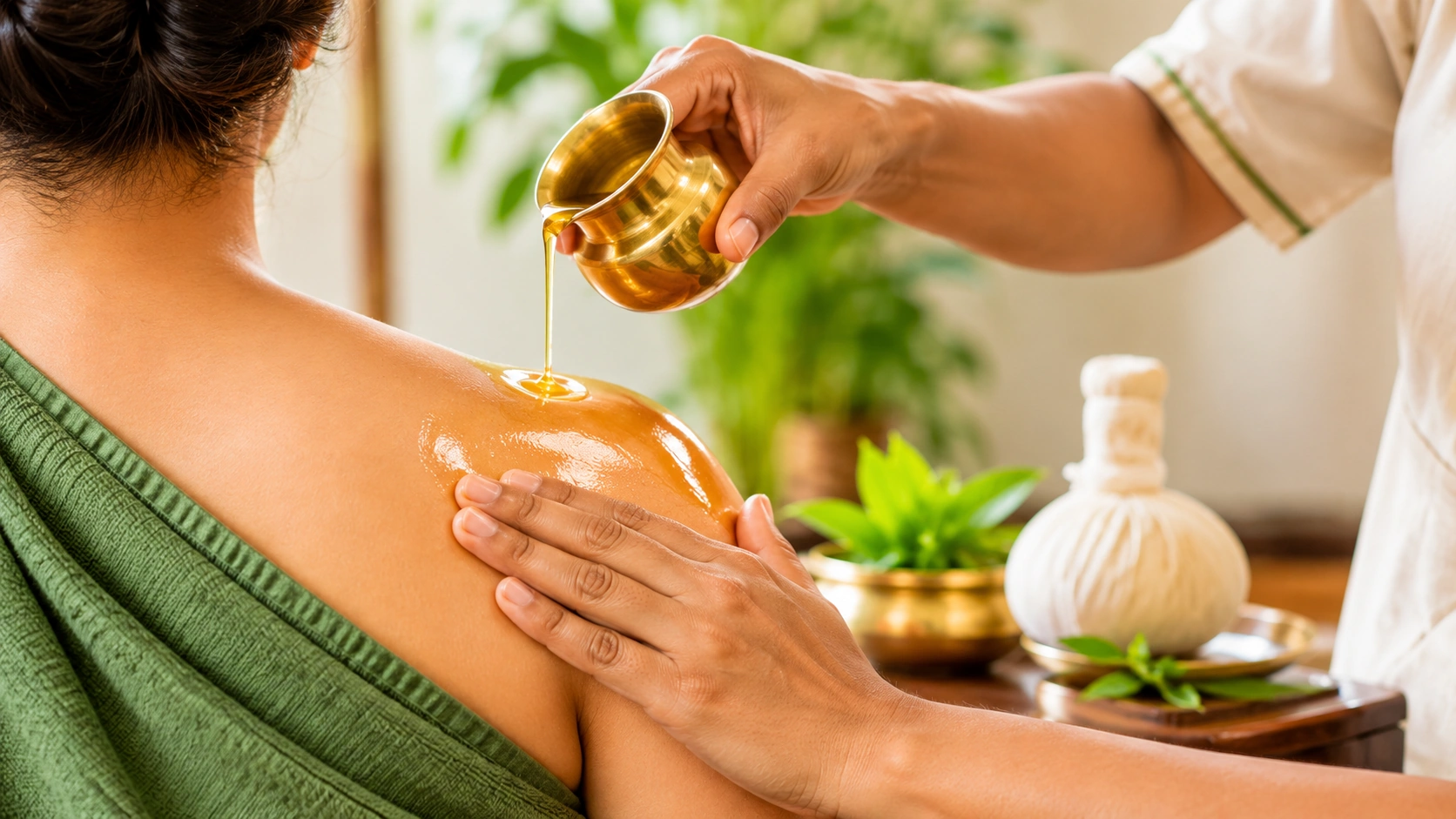
Abhyanga is a traditional Ayurvedic oil massage that involves applying oil to the body using specific massage techniques.
The oils and application methods may vary depending on traditional practices and individual requirements.
Abhyanga is commonly associated with:
- A relaxing massage experience.
- Supporting a regular self-care routine.
- Helping the body feel relaxed after a busy day.
- Promoting a sense of physical comfort.
For individuals experiencing everyday tension and physical tiredness, Ayurvedic oil massage may be one wellness option to discuss with a practitioner.
However, massage is not suitable for everyone, particularly those with certain skin conditions, injuries or medical concerns. Professional guidance is important before treatment.
Ayurvedic Lifestyle Practices for Managing Daily Stress
Ayurvedic wellness is not limited to treatments performed at a wellness centre. Traditional practices also place importance on daily routines, food habits, adequate rest and mindful activities.
Here are some practices that can be incorporated into everyday life.
1. Follow a Consistent Daily Routine
Dinacharya refers to traditional Ayurvedic daily routines. Maintaining regular waking, eating and sleeping times can help create a more organised lifestyle.
Simple habits include:
- Following consistent sleep and wake-up schedules.
- Taking regular breaks during work.
- Avoiding unnecessary late-night activities.
- Setting aside time for personal relaxation.
2. Practise Yoga and Gentle Movement
Yoga combines physical postures, breathing and mindful awareness. Gentle yoga practices can help people incorporate movement and relaxation into their daily routines.
Simple stretching and suitable yoga exercises may also help reduce physical stiffness associated with long periods of sitting.
3. Include Breathing Exercises and Meditation
Pranayama refers to traditional yogic breathing practices. Simple, comfortable breathing exercises can help create moments of calm during a busy day.
Meditation is another practice that encourages attention and awareness.
Even a few minutes of quiet breathing or meditation can provide an opportunity to pause and step away from daily distractions.
4. Maintain Healthy Sleep Habits
Quality sleep is an important part of overall well-being.
Some habits that may support a healthier sleep routine include:
- Going to bed at a consistent time.
- Reducing screen exposure before bedtime.
- Avoiding heavy meals close to bedtime.
- Keeping the bedroom comfortable and quiet.
- Allowing enough time for rest.
If sleep difficulties continue, professional assessment may help identify possible underlying causes.
Choosing Ayurvedic Stress Relief Support in Muwaileh, Sharjah
When exploring Ayurvedic treatment in Muwaileh, it is important to choose a centre that follows appropriate professional and safety practices.
Before selecting a treatment, consider the following:
- Qualified Practitioners: Check whether consultations and therapies are provided by appropriately qualified and licensed professionals.
- Individual Assessment: Treatment recommendations should consider your health history, current concerns and individual requirements.
- Treatment Transparency: Understand the procedure, oils or other materials used, expected experience and any precautions.
- Hygiene and Safety: The treatment environment should maintain appropriate cleanliness and hygiene standards.
- Realistic Expectations: Ayurvedic therapies should not be presented as guaranteed cures for stress, anxiety, depression or sleep disorders.
Residents of Muwaileh and surrounding areas in Sharjah can explore suitable Ayurvedic wellness services based on their individual needs and professional recommendations.
When Should You Seek Professional Support?
Occasional stress is a normal experience, but persistent stress should not be ignored.
Consider speaking with a qualified healthcare professional if stress begins to interfere with your work, relationships, sleep or everyday activities.
If you experience persistent anxiety, low mood, panic symptoms or ongoing sleep problems, a medical or mental health professional can help assess the situation and recommend appropriate care.
Ayurvedic wellness practices may be considered as complementary approaches where appropriate, but they should not replace necessary medical or psychological treatment.
Explore Ayurvedic Wellness Support at Manaha Ayurveda
Management of daily stress not only entails the creation of time to unwind but also taking care of one’s needs, having good habits, and practicing wellness techniques that would be suitable for one’s way of living.
Those who live in Muwaileh or neighboring regions could use the services of Manaha Ayurveda to get acquainted with Ayurvedic methods of wellness.
If one is interested in the treatments offered by Ayurveda or wants to know about relaxation techniques and counseling, consultation is necessary.
When seeking Ayurvedic treatments for stress management in Sharjah, one should consider the services provided by Manaha Ayurveda.
Frequently Asked Questions
1. How does Ayurveda help with stress relief?
Ayurveda follows a traditional holistic approach to wellness by considering lifestyle, individual constitution and daily habits. Practices such as Shirodhara, Abhyanga, yoga and meditation are commonly used to support relaxation and general well-being.
2. Which Ayurvedic therapies are commonly used for relaxation?
Shirodhara and Abhyanga are two traditional Ayurvedic therapies associated with relaxation. Shirodhara involves gently pouring a stream of liquid over the forehead, while Abhyanga is a traditional oil massage. A qualified practitioner can recommend suitable options based on individual needs.
3. Can I find Ayurvedic treatment for stress relief in Muwaileh, Sharjah?
Residents of Muwaileh and nearby areas can explore Ayurvedic wellness services in Sharjah. Manaha Ayurveda is an option to contact for information about available therapies, consultations and personalised wellness support.
4. Can Ayurveda help improve sleep and mental relaxation?
Traditional Ayurvedic practices focus on lifestyle balance, relaxation and healthy daily routines. Therapies, meditation and breathing practices may support general relaxation. However, persistent sleep difficulties or anxiety should be assessed by a qualified healthcare professional.