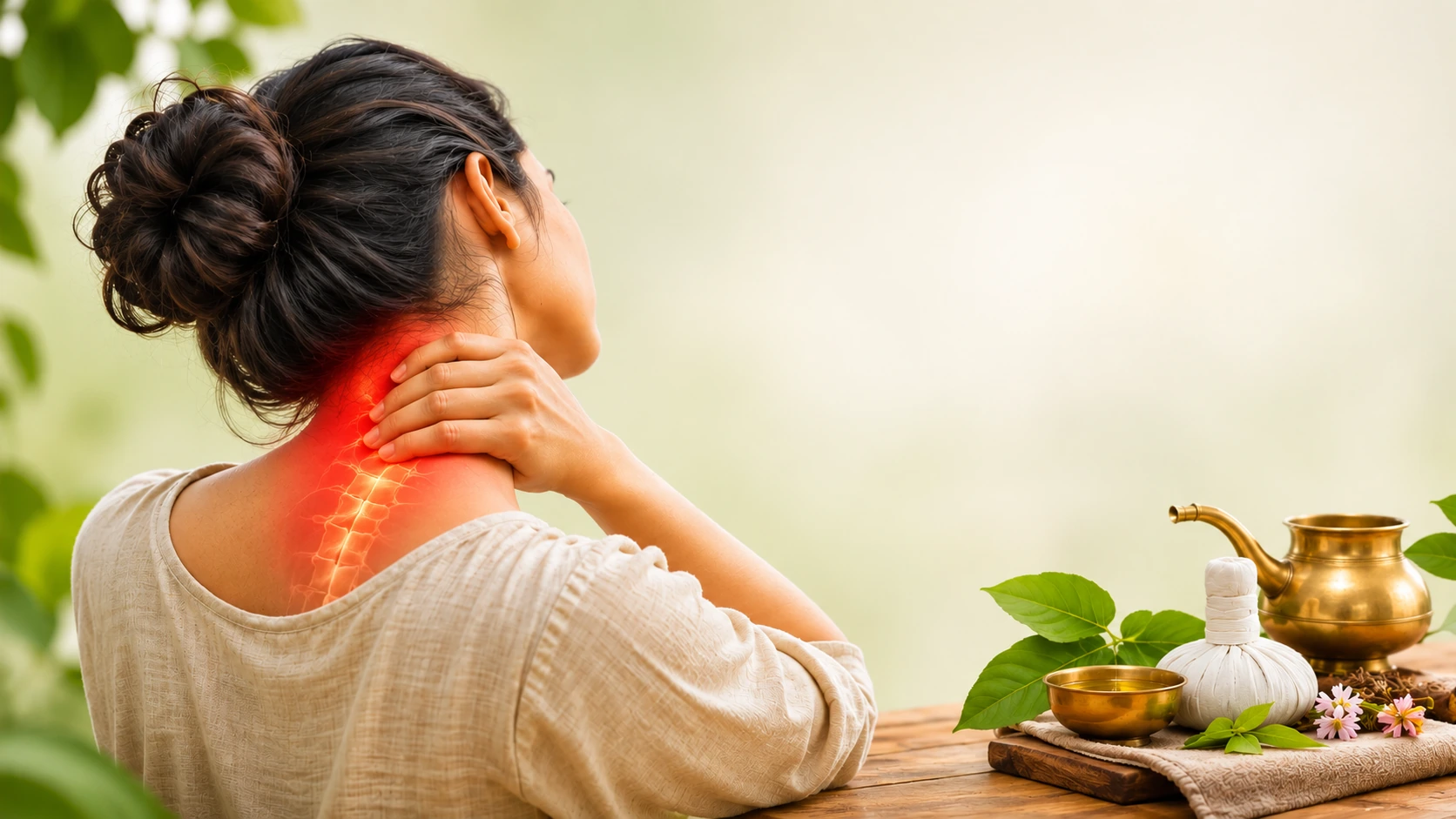
Neck pain & shoulder pain tend to be associated, thus making simple activities like work, traveling, sleeping, and moving one’s head very painful. It is true because the neck and shoulders are related by muscles, bones, and nerves, meaning that an issue in one part will make the other part suffer as well.
Problems such as prolonged sitting, bad posture, muscle strain, and various cervical spine disorders can make an individual feel discomfort. Being aware of what can cause the problem will be the best start when looking for proper care.
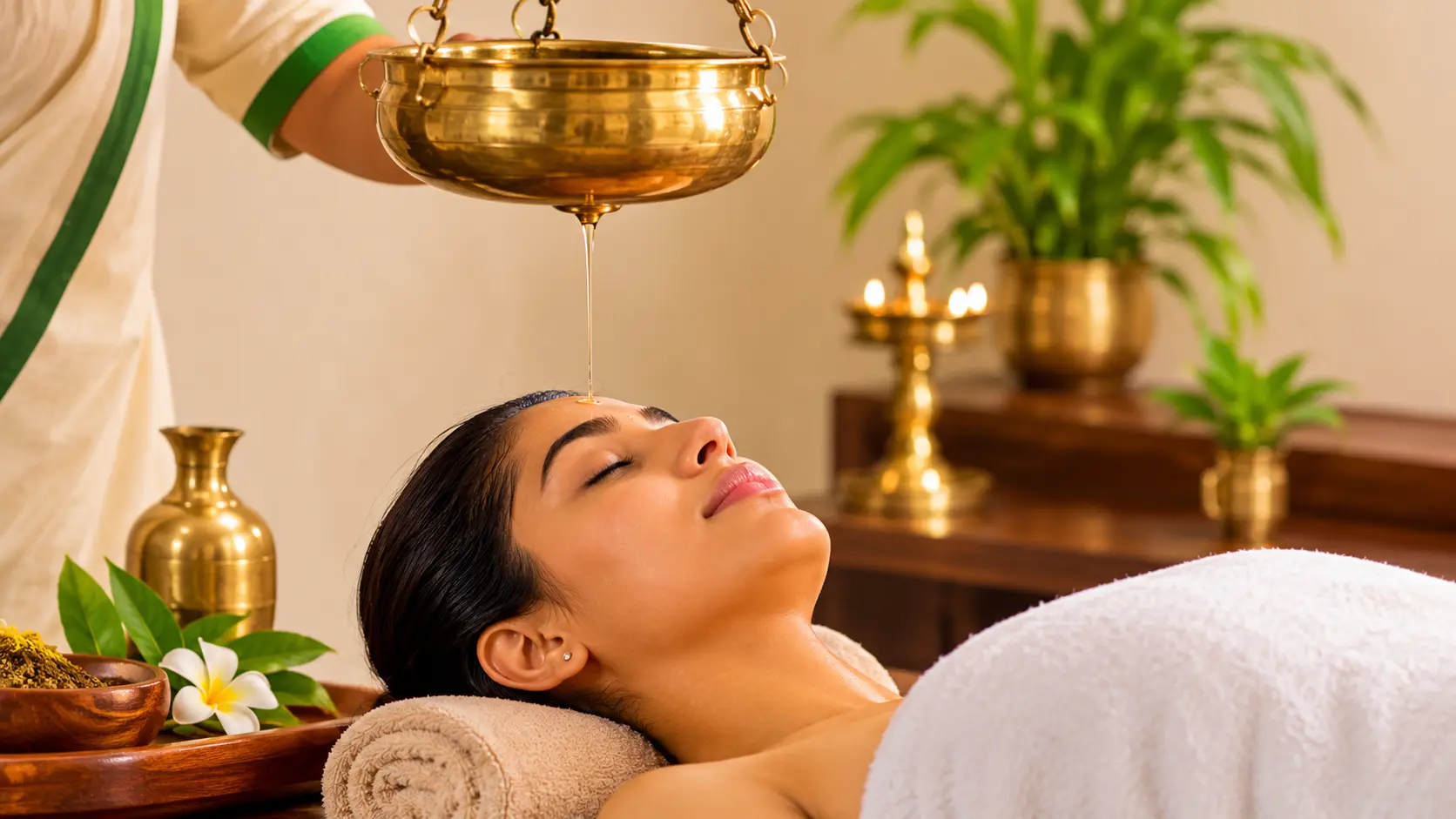
In case someone is considering traditional healing, then there are a number of treatments available in Ayurveda. In Manah Ayurveda located in New Muwaileh, Sharjah, one can make inquiries about Ayurvedic consultation and treatment for neck and shoulder discomfort.
Why Do Neck and Shoulder Pain Occur Together?
The neck holds up the head, whereas the muscles surrounding them assist in maintaining the posture and enable movements of the shoulders. There are several muscles like the trapezius and levator scapulae muscles which attach themselves or exert their actions on both parts.
These muscles can sometimes get strained or tense and lead to pain in the neck region, upper back and shoulders. For instance, when someone spends several hours at work using a computer, he/she may suffer from stiffness of the neck region as well as tightness in the shoulders.
In some cases, certain problems with the cervical spine may result in pain going to the shoulder or arm region.
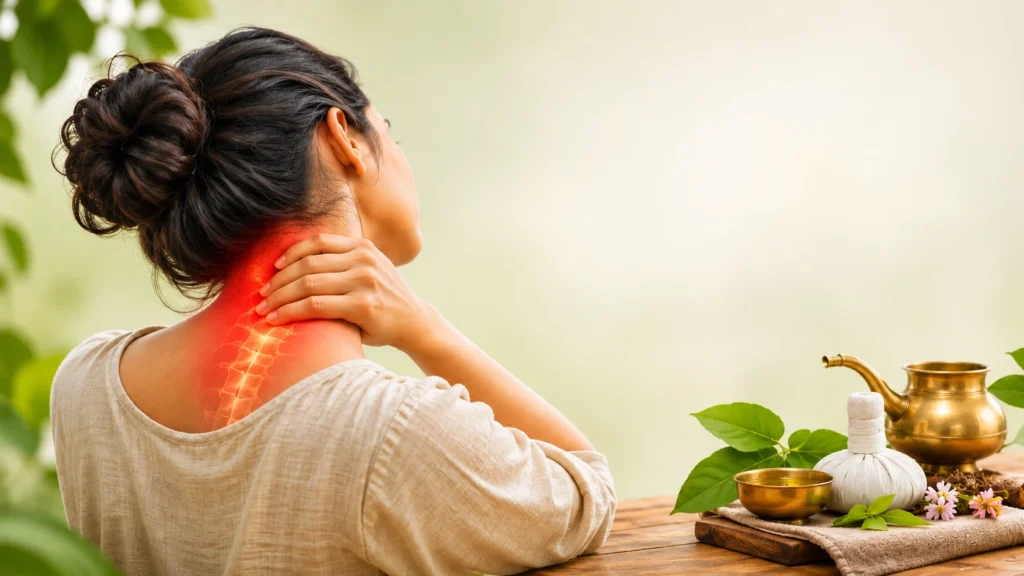
Common Causes of Neck and Shoulder Pain
Understanding everyday habits and underlying conditions can help identify factors that may contribute to neck and shoulder discomfort.
1. Poor Posture and Prolonged Desk Work
Sitting for long periods with the head positioned forward can place additional strain on the neck and upper shoulder muscles.
This is common among people who work on computers, attend long meetings or spend extended periods sitting without changing positions.
Maintaining a comfortable sitting position and taking regular movement breaks can help reduce unnecessary muscular strain.
2. Excessive Mobile Phone Usage
Looking down at a mobile phone for extended periods can increase the load on the neck muscles.
Repeatedly maintaining this position may contribute to:
- Neck stiffness
- Upper shoulder tightness
- Muscle fatigue
- Discomfort when turning the head
Keeping the phone closer to eye level and changing positions regularly may help reduce strain.
3. Cervical Spondylosis
Cervical spondylosis refers to age-related changes affecting the discs and joints in the neck.
Some people may experience neck stiffness, pain and restricted movement. In certain cases, nerve involvement can cause discomfort, tingling or numbness extending towards the shoulder and arm.
People experiencing these symptoms should seek appropriate medical assessment rather than assuming they are caused by ordinary muscle tension.
4. Muscle Strain and Repetitive Movements
Repetitive physical activities, heavy lifting and sudden movements can strain the muscles around the neck and shoulders.
Muscle strain may cause soreness, tenderness and difficulty moving the affected area comfortably.
5. Stress and Muscle Tension
Stress can sometimes contribute to increased muscle tension, particularly around the neck and shoulders.
People experiencing prolonged stress may notice tightness around the upper back, headaches or muscular discomfort.
Addressing stress, maintaining regular movement and following suitable relaxation practices may support general wellbeing.
Common Symptoms of Neck and Shoulder Problems
Neck and shoulder conditions can present differently depending on their underlying cause.
Some commonly reported symptoms include:
- Stiffness when turning or bending the neck
- Tightness around the shoulders
- Pain between the neck and upper back
- Difficulty raising or moving the arm
- Discomfort after prolonged sitting
- Headaches associated with neck discomfort
- Tingling or numbness extending towards the arm
If pain is accompanied by new or progressive weakness, significant numbness, chest pain, breathing difficulty or follows a serious injury, seek urgent medical attention.
How Does Ayurveda Approach Neck and Shoulder Pain?
Ayurveda focuses on addressing health problems based on individual symptoms and well-being.
Regarding neck and shoulder pain, an Ayurvedic physician might examine the location of the pain, stiffness, restricted motion, and other health factors before recommending a particular treatment.
Musculoskeletal problems might be considered in the context of Vata disorders according to Ayurvedic medicine. It is important to note that this system differs significantly from the modern medical one.
Based on the results of the examination, various Ayurvedic treatments can be recommended.
Ayurvedic Therapies That May Be Considered for Neck and Shoulder Discomfort
Ayurveda includes several traditional therapies involving medicated oils, massage techniques and heat applications.
1. Greeva Vasti for Neck Discomfort
Greeva Vasti, also known as Greeva Basti, is a traditional Ayurvedic procedure focused on the neck region.
During the procedure, warm medicated oil is retained over the neck within a specially prepared dough boundary.
The therapy is traditionally used in Ayurvedic care for certain neck-related complaints. Its suitability depends on the person’s condition and should be determined by a qualified practitioner.
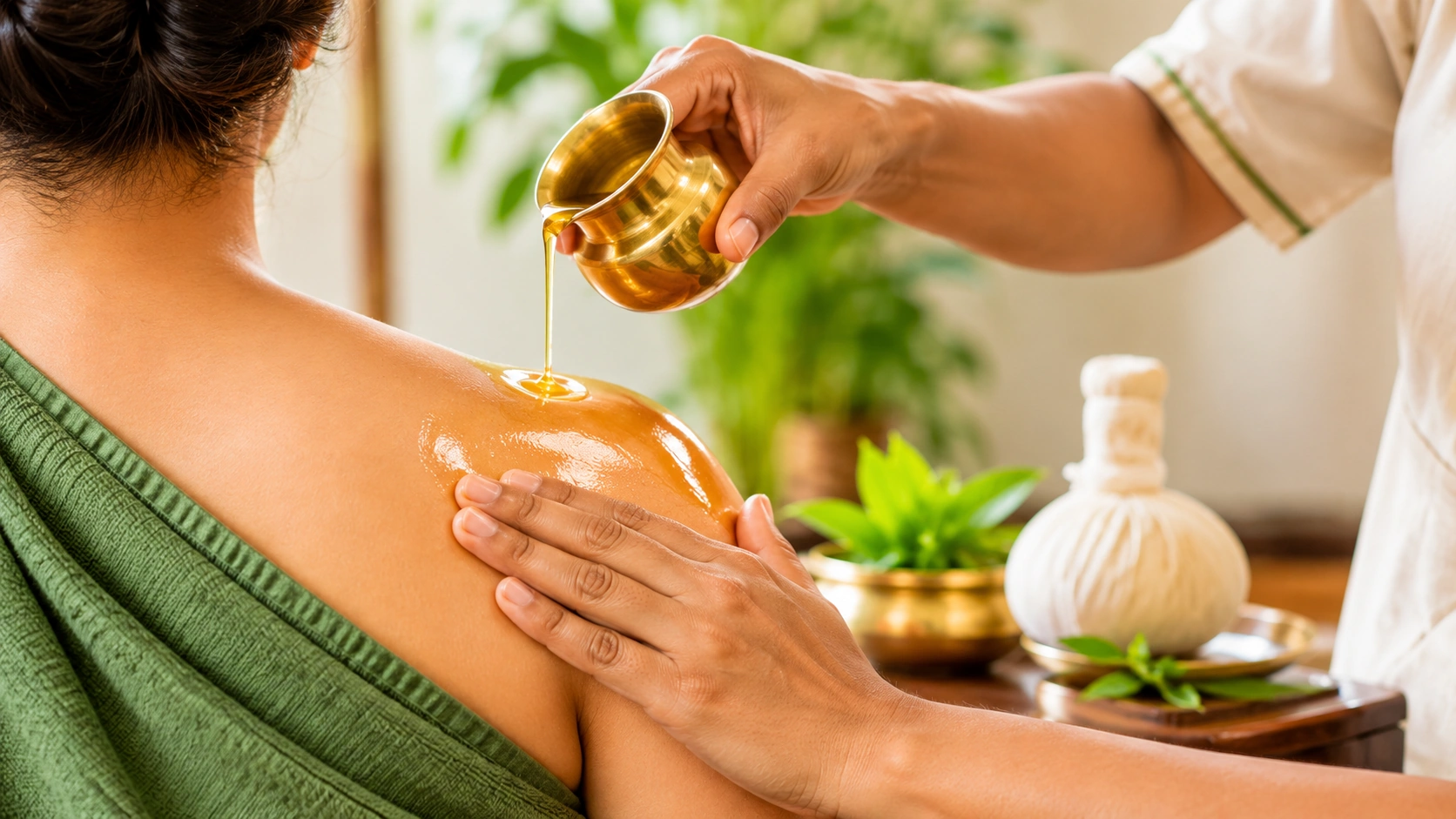
2. Abhyanga (Ayurvedic Oil Massage)
Abhyanga is a traditional Ayurvedic oil massage performed using selected oils and massage techniques.
Depending on the individual’s needs, a practitioner may consider this therapy as part of a broader wellness or treatment plan.
It is important to assess the cause of pain before starting massage, particularly when there is nerve involvement, injury or unexplained severe discomfort.
3. Swedana (Traditional Heat Therapy)
Swedana refers to traditional Ayurvedic procedures involving heat or sweating techniques.
Certain forms of Swedana may be considered alongside other therapies in selected Ayurvedic treatment plans.
The method and suitability should be decided after an individual assessment. Heat-based procedures are not appropriate for every condition.
Simple Daily Habits That May Help Reduce Neck and Shoulder Strain
Alongside appropriate professional care, some everyday habits can help reduce unnecessary strain.
- Maintain a comfortable sitting position: Keep your screen at a suitable height and avoid prolonged forward-head posture.
- Take movement breaks: Change positions regularly instead of sitting continuously for several hours.
- Adjust your sleeping position: Choose a comfortable pillow that supports your neck.
- Avoid carrying heavy bags on one shoulder: Distribute weight more evenly where possible.
- Stay physically active: Gentle movement and suitable exercises can support mobility.
- Manage stress: Include relaxation activities and adequate rest in your daily routine.
If movement increases pain or causes tingling, weakness or other unusual symptoms, stop and seek professional advice.
When Should You Seek Professional Care?
Occasional muscular discomfort may improve with rest and changes to daily habits. However, persistent or recurring neck and shoulder pain should not be ignored.
Consider seeking professional assessment if you experience:
- Pain that continues or repeatedly returns
- Increasing stiffness or restricted movement
- Pain extending from the neck towards the arm
- Difficulty performing normal daily activities
- Symptoms that interfere with sleep
A proper assessment helps identify whether the problem may involve muscles, joints, nerves or another underlying condition.
Exploring Ayurvedic Treatment in New Muwaileh, Sharjah
For patients seeking Ayurvedic treatments in Sharjah, there is Manah Ayurveda, situated in New Muwaileh.
Manah Ayurveda mainly specializes in offering Ayurvedic treatments and wellness care, which include treatment associated with musculoskeletal problems.
Those patients who are suffering from stiff necks, sore shoulders, or frequent muscle tensions are welcome to inquire for a consultation to find out what kind of treatment methods will suit them.
As one cannot decide what method to use for treatment just according to the symptoms, consultation is a key element in the process of decision-making.
Looking for Ayurvedic treatment for neck and shoulder pain in New Muwaileh, Sharjah?
Contact Manah Ayurveda to enquire about consultation availability and suitable treatment options.
Frequently Asked Questions
1. Why do my neck and shoulders hurt at the same time?
Neck and shoulder pain can occur together because the muscles, joints and nerves in these areas are closely connected. Poor posture, muscle strain, prolonged sitting and cervical spine conditions may contribute to discomfort in both areas.
2. Can poor posture cause neck and shoulder pain?
Yes. Maintaining a forward-head position or sitting with unsupported posture for extended periods can increase strain on the neck and shoulder muscles, potentially contributing to stiffness and discomfort.
3. What is Greeva Vasti treatment?
Greeva Vasti is a traditional Ayurvedic procedure in which warm medicated oil is retained over the neck using a dough boundary. It is traditionally used for certain neck-related complaints, depending on individual assessment.
4. Can Ayurvedic massage help with neck stiffness?
Ayurvedic oil massage, known as Abhyanga, may be considered as part of an individualised care plan. However, its suitability depends on the cause of stiffness and the person’s health condition.
5. Where can I enquire about Ayurvedic neck pain treatment in Sharjah?
You can contact Manah Ayurveda in New Muwaileh, Sharjah, to enquire about Ayurvedic consultation and available treatment options for neck-related concerns.