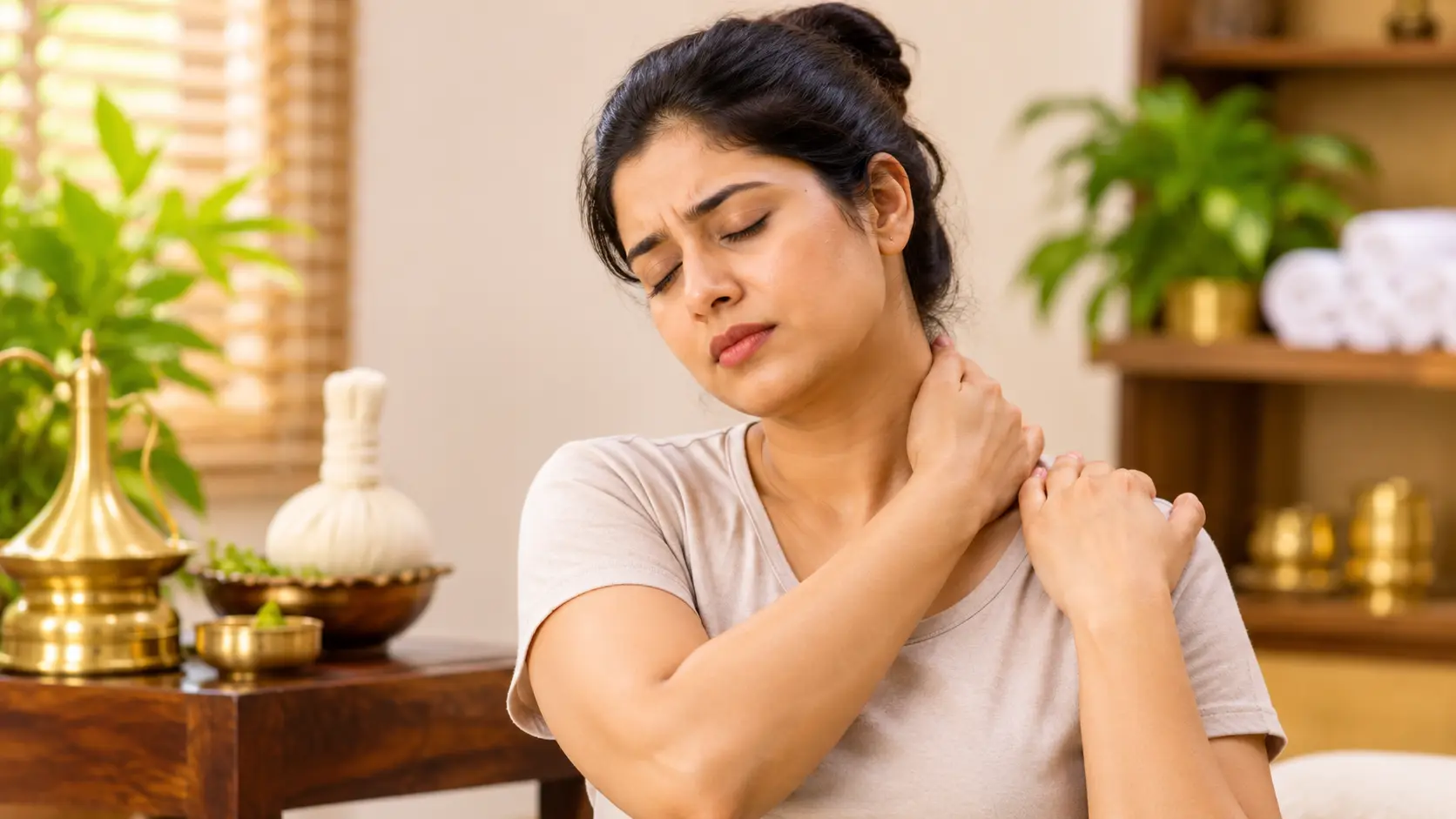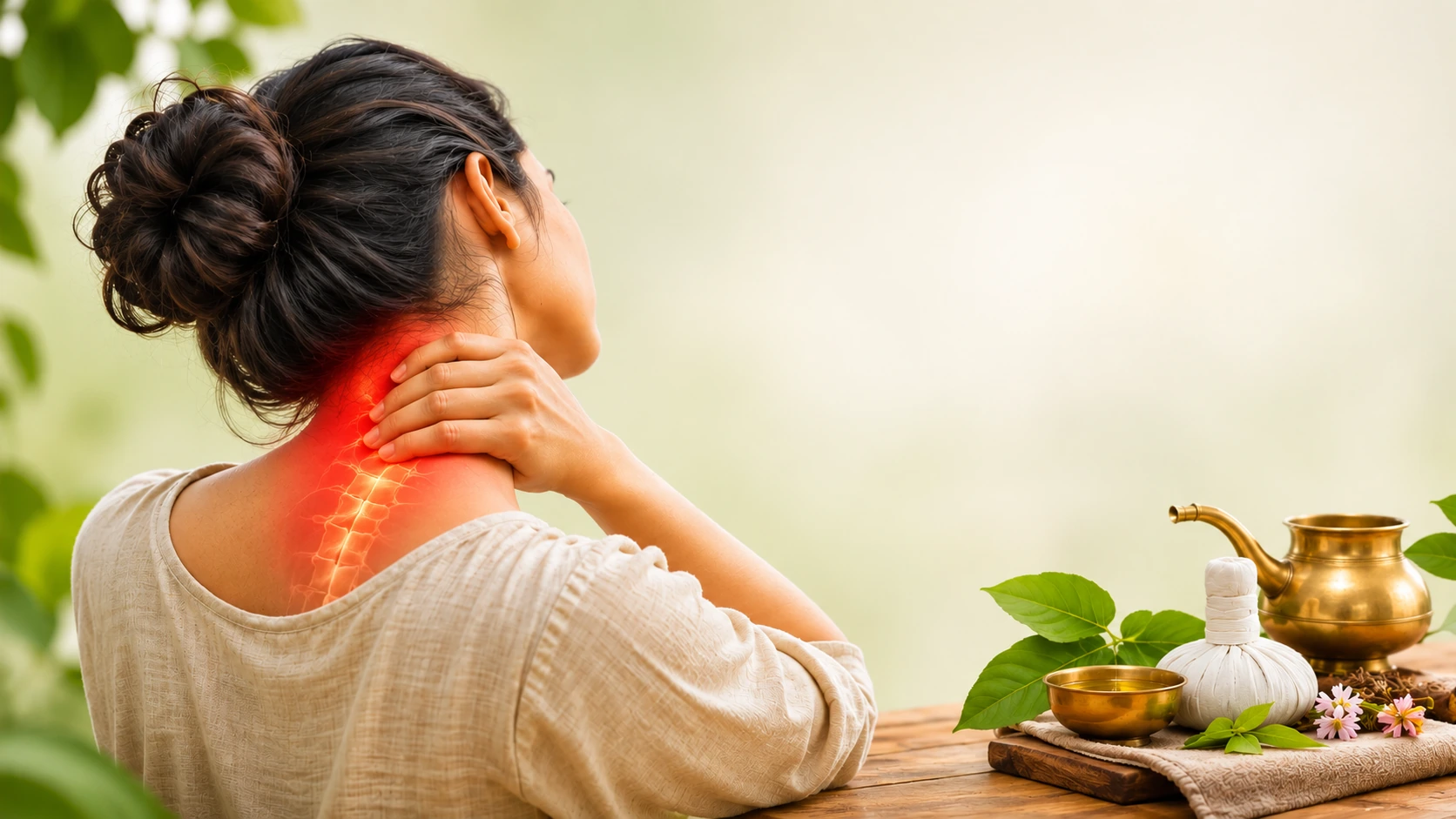
Neck pain is a common concern among people who spend long hours working at computers, using mobile phones, or maintaining the same sitting position throughout the day. It may begin as mild stiffness or discomfort and gradually affect daily activities, sleep, and movement. Age-related changes in the cervical spine, muscle strain, and poor posture can also contribute to recurring neck problems.
Ayurveda offers traditional therapeutic approaches that may support the management of certain types of neck discomfort. Therapies such as Greeva Vasti, Abhyanga, and Kizhi are used in Ayurvedic practice depending on an individual’s condition and treatment requirements. At Manah Ayurveda in New Muweilah, Sharjah, individuals can explore traditional Ayurvedic treatment options following a professional assessment.
What Causes Neck Pain in Everyday Life?
The neck supports the head and allows a wide range of movement. However, prolonged strain, poor posture, and certain medical conditions can affect the muscles, joints, and other structures around the cervical spine.
Some common causes include:
- Poor sitting posture: Sitting with the head positioned forward for extended periods can increase strain on the neck muscles.
- Excessive mobile phone usage: Frequently looking down at smartphones may contribute to neck discomfort, commonly called text neck.
- Long working hours: Continuous computer use without sufficient breaks can cause muscle tension and stiffness.
- Muscle strain: Sudden movements, unsuitable sleeping positions, or physical overexertion may lead to neck pain.
- Cervical spondylosis: Age-related changes in the cervical spine can contribute to stiffness, discomfort, and restricted movement.
- Cervical disc problems: Changes in the discs between vertebrae may sometimes affect nearby nerves and cause pain extending towards the shoulders or arms.
Understanding the underlying cause is important before choosing an appropriate treatment approach.
Common Symptoms Associated with Neck Pain
Neck discomfort can vary depending on its cause and severity. Some people experience occasional stiffness, while others may have persistent symptoms that interfere with everyday activities.
Common symptoms include:
- Pain or stiffness around the neck.
- Difficulty turning or bending the head.
- Discomfort extending towards the shoulders.
- Muscle tightness around the upper back.
- Headaches associated with neck tension.
- Tingling, numbness, or weakness in the arms when nerves are affected.
Persistent symptoms, particularly those involving arm weakness or numbness, should be medically evaluated rather than treated as ordinary muscle stiffness.
How Does Ayurveda Approach Neck Pain?
Ayurveda considers individual health conditions, lifestyle habits, and physical symptoms when planning treatment. From the Ayurvedic perspective, Vata Dosha is traditionally associated with movement and the functioning of the nervous and musculoskeletal systems.
When someone experiences neck discomfort, an Ayurvedic practitioner may assess their symptoms, daily routine, physical condition, and relevant medical history before recommending suitable therapies.
Depending on the assessment, traditional Ayurvedic approaches may include medicated oil applications, therapeutic massage, herbal poultice treatments, and other supportive procedures.
The purpose is to provide individualized care rather than applying the same treatment to everyone experiencing neck pain.
Ayurvedic Therapies Used for Neck Pain
Several traditional Ayurvedic therapies may be considered as part of an individualized approach to neck discomfort.
1. Greeva Vasti – Targeted Ayurvedic Neck Therapy
Greeva Vasti, also known as Greeva Basti, is a traditional Ayurvedic therapy specifically associated with the neck region.
During the procedure, a small boundary made from herbal dough is placed around the neck area. Warm medicated oil is carefully poured inside this boundary and retained for a specific period under professional supervision.
The treatment focuses on the cervical region and is traditionally used in Ayurvedic practice for certain types of neck stiffness and discomfort.
Its suitability depends on the individual’s symptoms and clinical assessment. The procedure should always be performed by a trained Ayurvedic professional.
2. Abhyanga – Ayurvedic Oil Massage
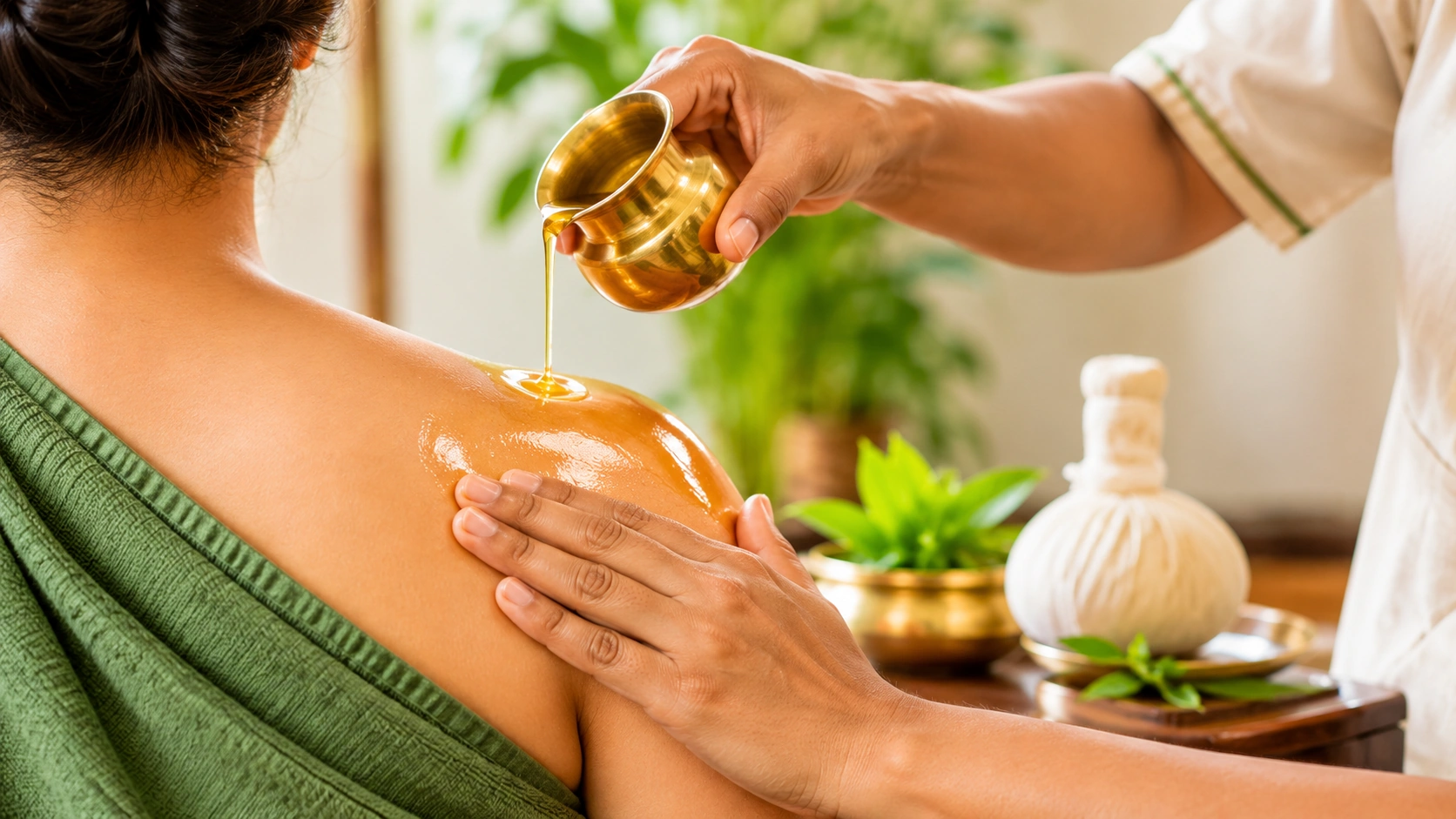
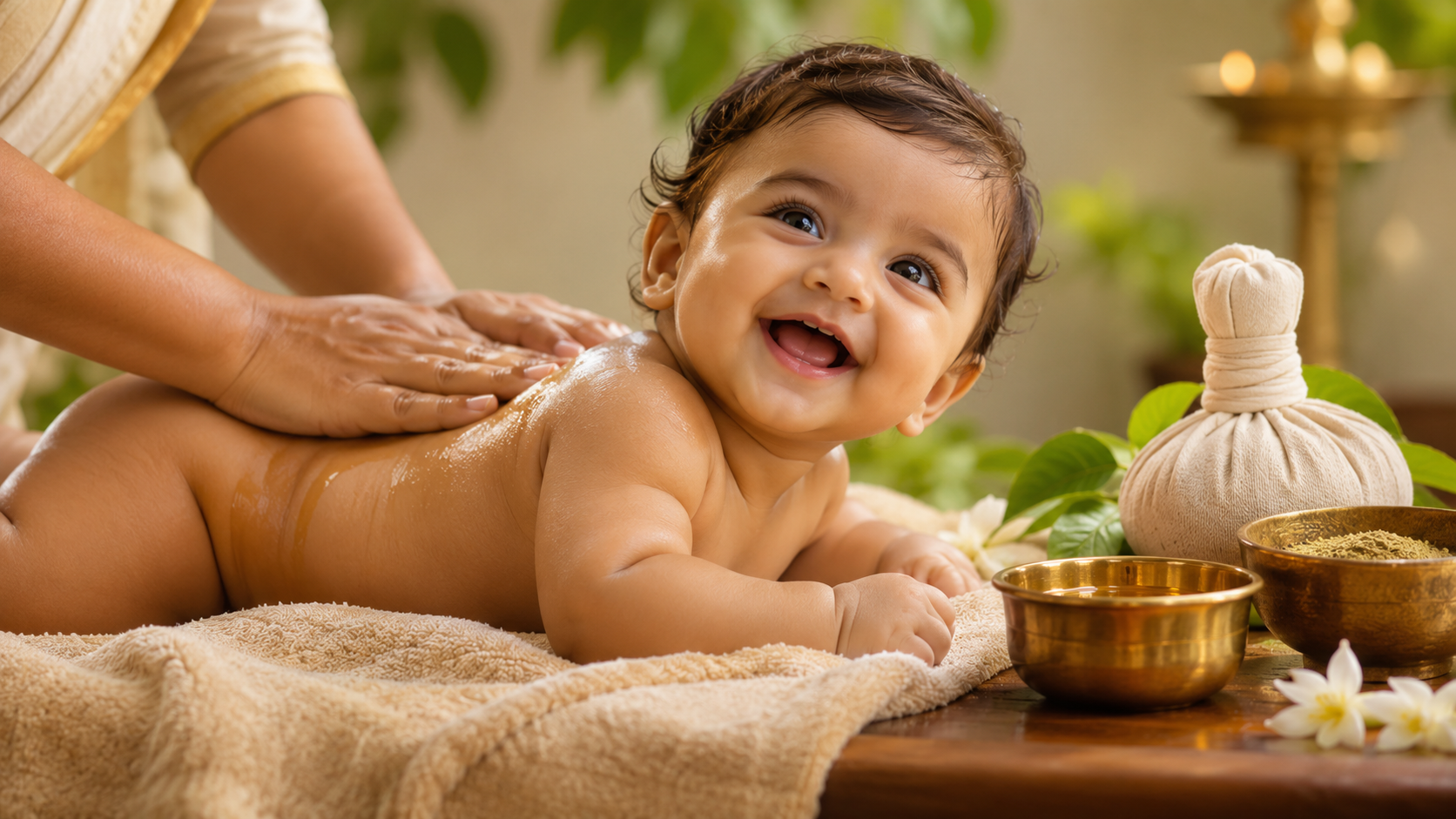
Abhyanga is a traditional Ayurvedic massage involving the application of medicated herbal oils to the body.
Depending on the individual’s condition, a practitioner may recommend specific massage techniques involving the neck, shoulders, and surrounding muscles.
Abhyanga may support relaxation and help ease muscle tension. However, massage techniques must be selected carefully, especially when someone has cervical spine problems or nerve-related symptoms.
3. Kizhi Therapy – Herbal Poultice Treatment
Kizhi is a traditional Ayurvedic treatment that uses herbal ingredients packed into cloth bundles. These bundles are prepared and applied using specific techniques under professional supervision.
Depending on the type of Kizhi and the individual’s condition, the therapy may involve warm herbal applications and massage.
It is sometimes included in Ayurvedic treatment plans for muscle stiffness and musculoskeletal discomfort. The appropriate type and application method should be determined by an Ayurvedic practitioner.
4. Pizhichil – Traditional Warm Oil Therapy
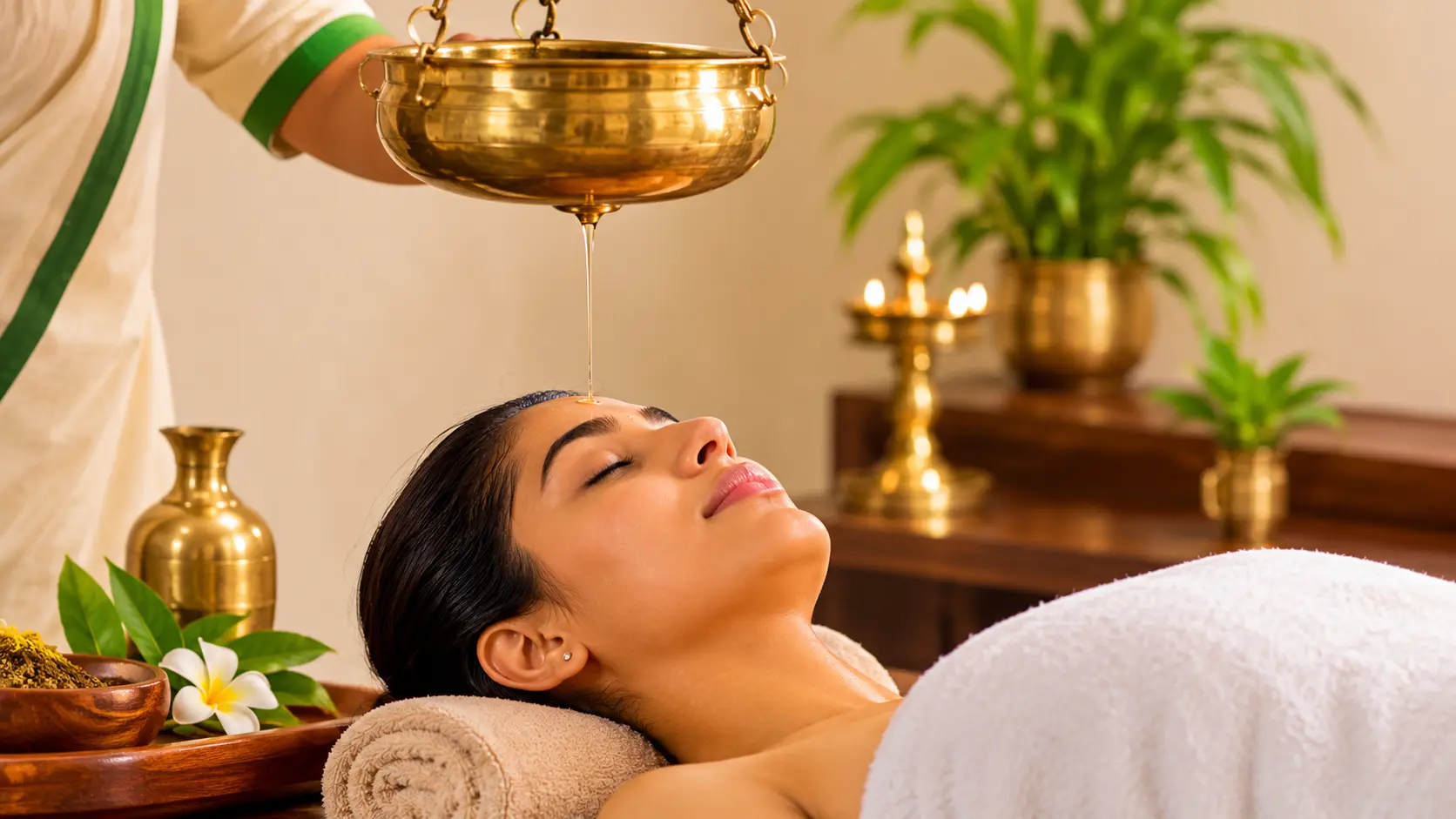
Pizhichil is a traditional Ayurvedic therapy involving the continuous pouring of warm medicated oil over the body while performing specific massage movements.
It is traditionally used in selected Ayurvedic treatment programmes involving musculoskeletal concerns.
Whether Pizhichil is appropriate for someone experiencing neck pain depends on their overall condition and professional assessment. It should not be considered a standard treatment for every cervical spine problem.
Can Ayurvedic Therapies Help with Cervical Spondylosis?
Cervical spondylosis refers to age-related changes affecting the bones, discs, and joints of the neck. It is relatively common among older adults, although symptoms can also occur in younger individuals.
Some people experience neck stiffness, while others may develop shoulder discomfort, headaches, or symptoms involving the arms.
Ayurvedic therapies may be considered as complementary supportive care for selected individuals. Treatments such as Greeva Vasti and other traditional procedures may be recommended after an appropriate assessment.
However, Ayurvedic therapies should not be presented as a cure for structural changes in the cervical spine. Medical evaluation is important, particularly when symptoms involve nerve compression, progressive weakness, or significant movement difficulties.
Lifestyle Habits That May Help Reduce Neck Strain
Alongside appropriate professional care, everyday habits can play an important role in managing neck discomfort.
Consider the following practices:
- Maintain proper sitting posture: Keep your computer screen at eye level and avoid leaning forward for extended periods.
- Adjust mobile phone positioning: Hold your phone closer to eye level instead of continuously bending your neck downwards.
- Take regular breaks: Stand up, change positions, and move gently during long working hours.
- Choose a suitable pillow: Use a pillow that supports a comfortable and neutral sleeping position.
- Follow professional exercise guidance: Gentle neck movements and strengthening exercises may be helpful when recommended by a qualified healthcare professional.
Avoid forceful neck movements or self-manipulation, particularly if you have an existing cervical spine condition.
When Should You Seek Professional Medical Advice?
Not all neck pain is caused by muscle tension or poor posture. Persistent discomfort, severe pain, and symptoms involving the nervous system require proper medical attention.
Seek medical evaluation if you experience:
- Persistent or worsening neck pain.
- Pain spreading into the arms or hands.
- Numbness, tingling, or weakness.
- Difficulty maintaining balance or walking.
- Neck pain following an accident or injury.
- Fever or severe headache alongside neck stiffness.
Sudden or progressive neurological symptoms should not be managed through massage or traditional therapies alone.
Explore Ayurvedic Neck Pain Care at Manah Ayurveda in Sharjah
If you are experiencing recurring neck stiffness, muscle discomfort, or other neck-related concerns, understanding the available treatment options is an important first step.
Manah Ayurveda Health Care Centre, located in New Muweilah Commercial, Sharjah, offers traditional Ayurvedic treatment approaches. Individuals interested in Greeva Vasti and other Ayurvedic therapies can contact the centre to enquire about consultation and treatment suitability.
An individual assessment helps determine which approach may be appropriate based on the person’s symptoms and health condition.
Explore Ayurvedic neck pain treatment at Manah Ayurveda or contact the centre to learn more about available services.