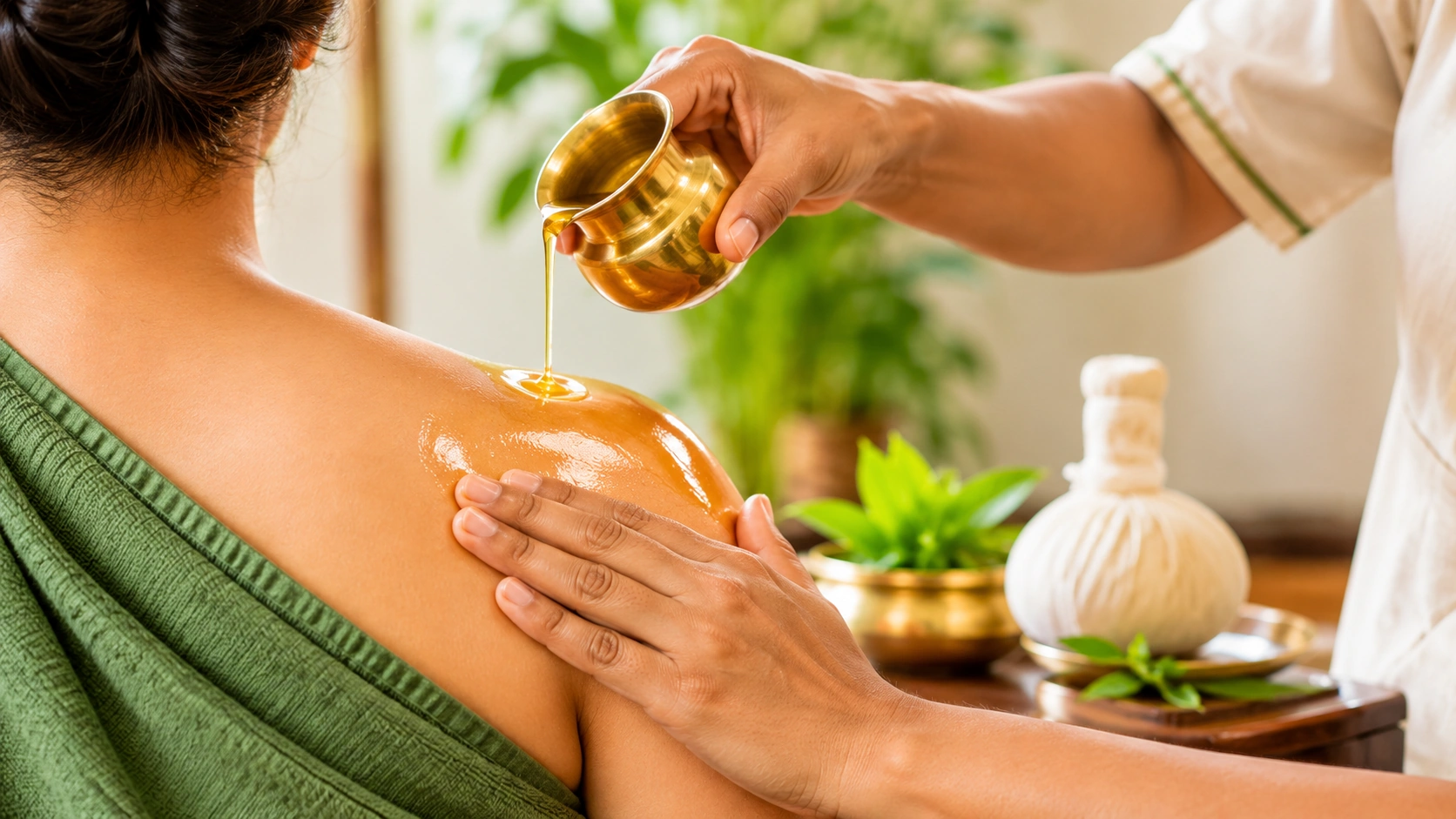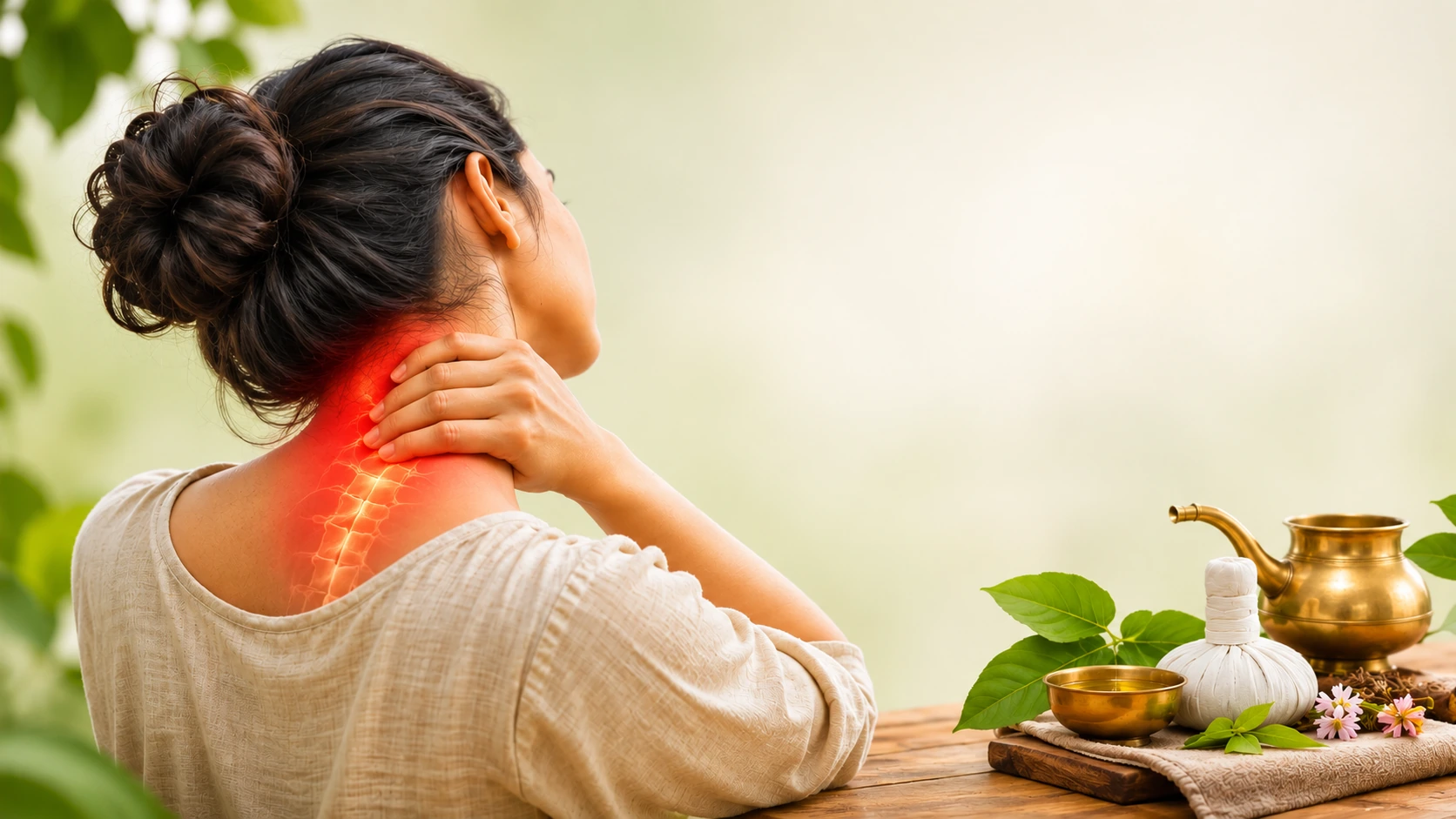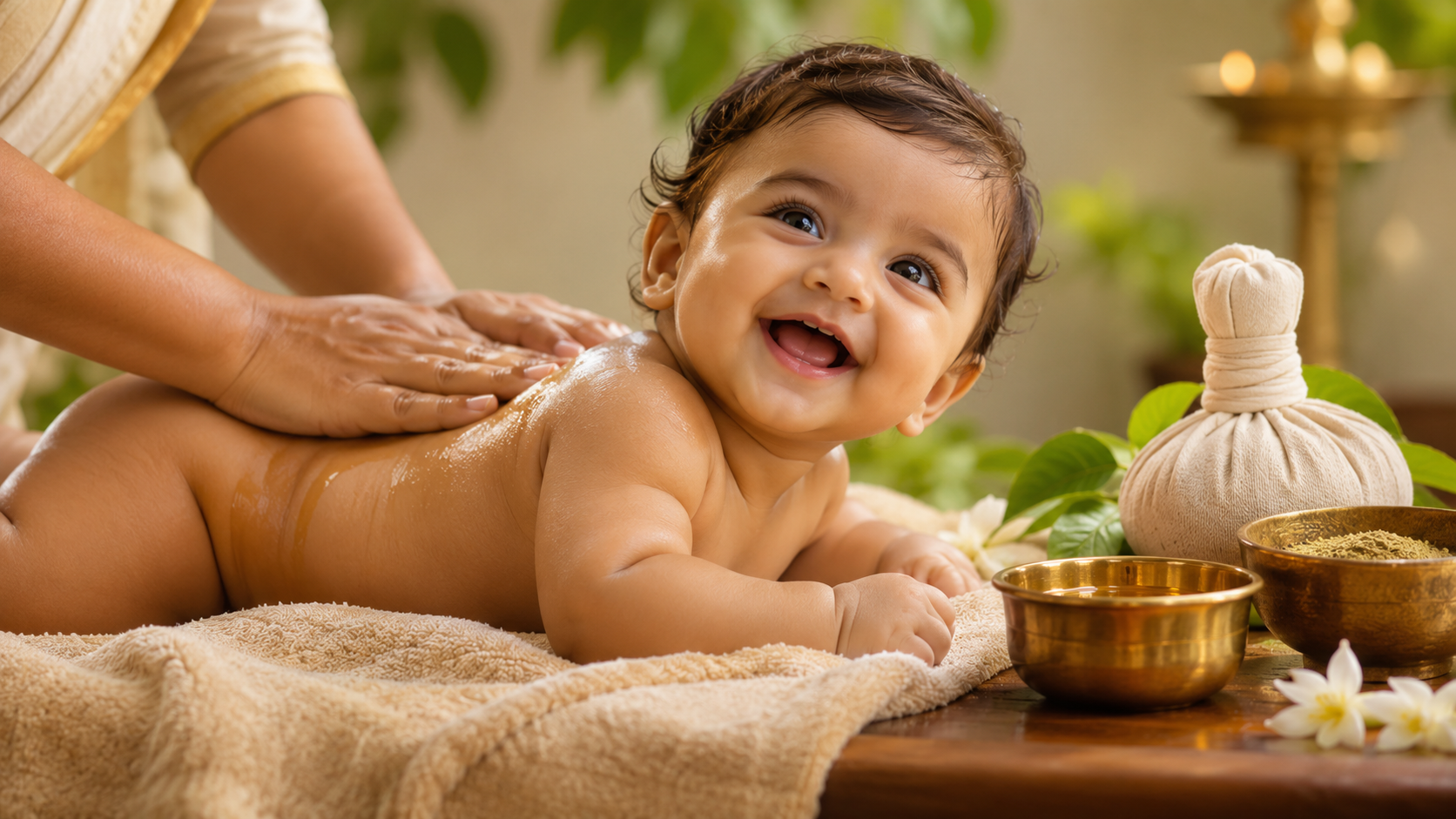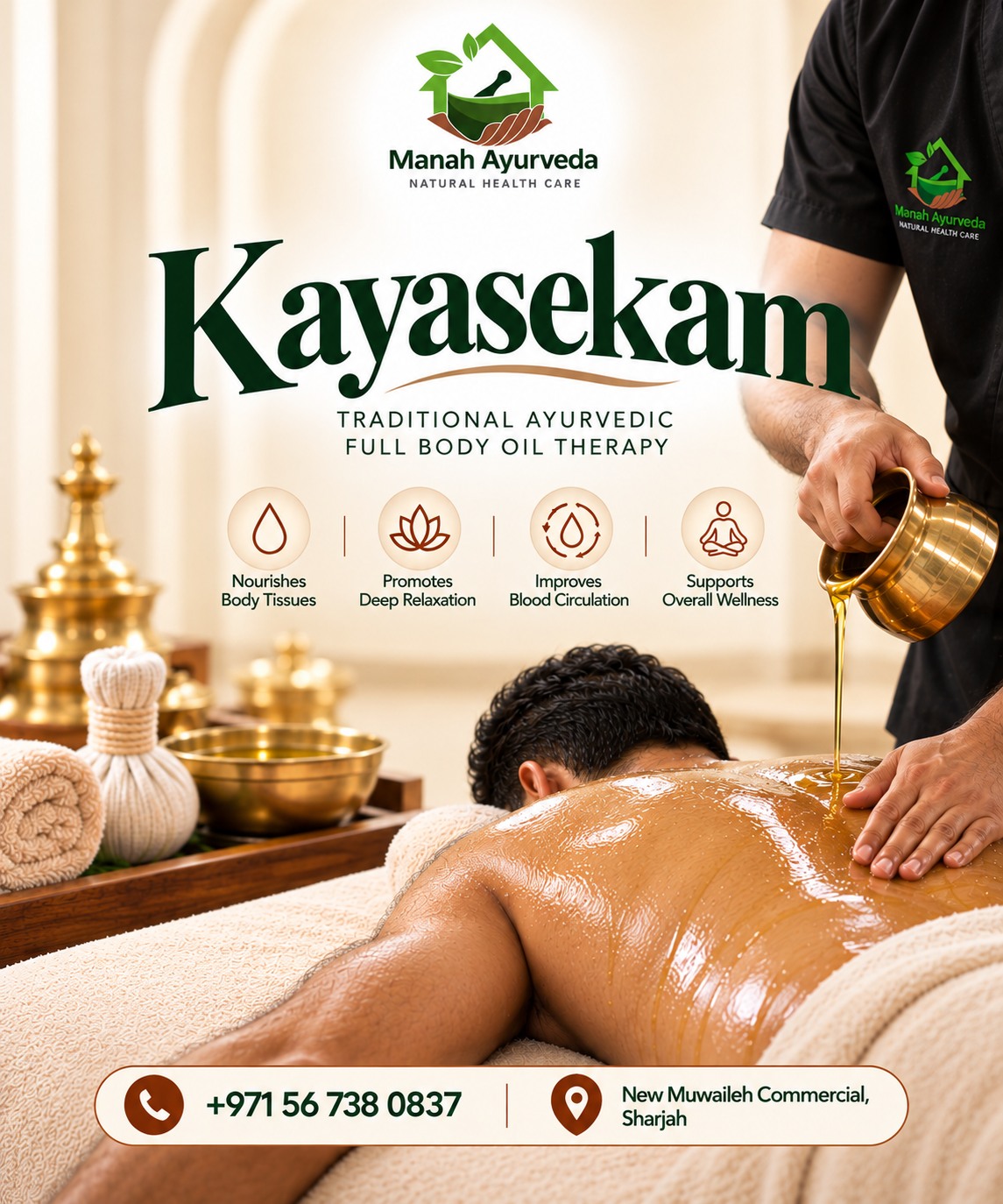
Kayasekam is a classic form of Ayurveda therapy where warm herbal oils are poured over the patient’s body in a gentle manner. This treatment, which is based on the ancient Ayurvedic practice in Kerala, is highly esteemed due to the pleasant relaxation process it provides. The therapy includes the traditional application of oils along with coordinated treatment approaches that provide comfort and relaxation. The experience of getting this treatment at Manah Ayurveda will be useful in knowing more about the procedure, advantages of this therapy and the oils used.
What Is Kayasekam in Ayurveda?
Kayasekam, also known as Kaya Seka, is a traditional Ayurvedic external therapy in which warm medicated oil is poured over the body in a controlled manner. The term refers to the practice of bathing or pouring therapeutic liquids over the body as part of an Ayurvedic treatment.
In Kerala Ayurveda, the oil-based form of Kayasekam is closely associated with Pizhichil. Specially prepared herbal oils are gently poured over the body, often alongside coordinated massage movements. The treatment aims to provide a soothing experience while following traditional Ayurvedic practices.
Although Kayasekam and Pizhichil are closely related, the terms may be used differently depending on the treatment tradition and the liquids involved. Kayaseka can also refer to therapies using other medicinal liquids, so the exact procedure should be clarified with the Ayurvedic practitioner.
Ayurvedic Principles Behind Kayasekam
Kayasekam is associated with two important Ayurvedic principles: Snehana and Swedana. Snehana refers to oleation, which involves using oils or other unctuous substances, while Swedana refers to therapeutic sudation or the application of warmth.
In traditional Ayurveda, these practices are used in selected treatments to support comfort and balance. The therapy is also associated with Vata Dosha, one of the three doshas described in Ayurveda. Vata is traditionally linked with movement, dryness and bodily functions.
Kayasekam may be included in a broader Ayurvedic treatment plan depending on an individual’s condition and the physician’s assessment. Its use within Panchakarma-related practices also depends on the prescribed treatment approach.
How Is Kayasekam Treatment Performed?
Kayasekam generally involves the application and gentle pouring of warm medicated oil over different parts of the body. The exact procedure may vary according to the treatment plan and the individual’s requirements.
A typical session may involve the following steps:
- Initial assessment: An Ayurvedic physician evaluates the individual’s health condition and determines whether the therapy is appropriate.
- Oil selection: Suitable medicated oil is selected according to the traditional treatment approach and individual assessment.
- Preparation: The treatment area and equipment are prepared. The individual is positioned comfortably on a traditional Ayurvedic treatment table, where appropriate.
- Warm oil pouring: Warm medicated oil is gently poured over the body using controlled movements.
- Coordinated movements: Trained therapists may use synchronized pouring and massage techniques to ensure an even and comfortable treatment experience.
The oil temperature, treatment duration and techniques are adjusted according to the prescribed procedure. The aim is to provide a comfortable and relaxing experience rather than exposing the body to excessive heat.
Medicated Oils Used in Kayasekam
The medicated oils used in Kayasekam are selected according to the individual’s needs and the Ayurvedic physician’s recommendations. Different traditional formulations contain herbal ingredients and oil bases intended for specific treatment purposes.
Some formulations that may be considered in Ayurvedic oil therapies include:
- Ksheerabala Taila: A traditional formulation containing Bala and other ingredients.
- Mahanarayana Taila: An Ayurvedic medicated oil traditionally used in selected musculoskeletal treatments.
- Dhanwantharam Taila: A traditional herbal oil used in various Ayurvedic external therapies.
- Sahacharadi Taila: A medicated oil used in selected Ayurvedic treatment approaches.
- Sesame Oil: A commonly used base oil in traditional Ayurvedic preparations.
Not every formulation is suitable for every individual, and these oils should not be assumed to be used in every Kayasekam session. The selection depends on the physician’s assessment and the specific treatment protocol.
Potential Benefits of Kayasekam
Kayasekam is traditionally valued for its relaxing and nourishing qualities. The combination of warm oil application and coordinated treatment movements may offer a soothing wellness experience.
Some potential benefits associated with this traditional therapy include:
- Promotes relaxation: The gentle application of warm oil can create a calming treatment experience and encourage relaxation.
- Helps soothe muscle tension: The oil application and massage movements may help ease feelings of muscular tightness and stiffness.
- Nourishes the skin: Medicated oils can moisturize the skin and help reduce dryness.
- Supports physical comfort: The warmth and gentle treatment techniques may contribute to a feeling of physical ease.
- Encourages rejuvenation: Kayasekam provides a traditional Ayurvedic wellness experience focused on relaxation and personal care.
These benefits should be understood in the context of traditional Ayurvedic practice. Individual experiences may vary, and Kayasekam should not be considered a guaranteed treatment or cure for medical conditions.
Who Can Consider Kayasekam Treatment?
Kayasekam may be considered by individuals interested in traditional Ayurvedic oil therapies, relaxation and general wellness. It may also be recommended in selected Ayurvedic treatment plans for people experiencing muscle stiffness or physical discomfort.
However, suitability depends on individual health conditions, age and treatment requirements. An Ayurvedic physician should assess the person before recommending the procedure.
People with existing medical conditions or those undergoing other treatments should discuss their health history with a qualified healthcare professional before starting Kayasekam.
Precautions and Aftercare Following Kayasekam
Although Kayasekam is a traditional external oil therapy, it may not be suitable for everyone. Individuals with fever, acute illness, skin infections, open wounds or certain medical conditions may need to avoid or postpone treatment.
Pregnant individuals and people with cardiovascular conditions or other significant health concerns should seek appropriate medical advice before considering the therapy.
After the session, follow the therapist’s and physician’s instructions. General aftercare may include:
- Allowing sufficient time to rest.
- Following the recommended bathing instructions.
- Avoiding strenuous physical activity immediately after treatment if advised.
- Staying hydrated and following the prescribed care routine.
Following professional guidance helps ensure that the treatment is appropriate for your individual needs.
Experience Kayasekam at Manah Ayurveda
Experience the nourishing touch of traditional Ayurveda with Kayasekam at Manah Ayurveda. The treatment involves the gentle pouring of warm, specially prepared herbal oils over the body, offering a relaxing experience rooted in traditional Ayurvedic practices.
At Manah Ayurveda, experienced therapists provide personalized care in a peaceful and professional environment designed around individual comfort. Treatment arrangements are guided by personal requirements and the recommended Ayurvedic approach.
Whether you are exploring traditional oil therapies or looking for a relaxing wellness experience, Kayasekam offers an opportunity to reconnect with the principles of Ayurveda.
Relax your body. Refresh your mind. Rejuvenate naturally.
Contact Manah Ayurveda to learn more about Kayasekam treatment and discuss your individual requirements with the team.
Frequently Asked Questions
1. What is Kayasekam treatment in Ayurveda?
Kayasekam is a traditional Ayurvedic external therapy involving the controlled pouring of warm medicinal liquids over the body. Its oil-based form uses specially prepared herbal oils and may include coordinated massage movements. The exact procedure depends on the Ayurvedic treatment tradition and individual requirements.
2. What are the traditional benefits of Kayasekam?
Kayasekam is traditionally associated with relaxation, skin nourishment and physical comfort. The warm oil application and gentle treatment movements may help soothe muscle tension and stiffness. However, individual results vary, and the therapy should not be considered a guaranteed cure for any medical condition.
3. How is Kayasekam performed?
During Kayasekam, warm medicated oil is gently poured over different parts of the body using controlled movements. Trained therapists may coordinate the pouring with massage techniques. The procedure, oil temperature and duration depend on the prescribed treatment plan.
4. Which oils are used in Kayasekam therapy?
Depending on the individual’s requirements, Ayurvedic physicians may consider formulations such as Ksheerabala Taila, Mahanarayana Taila, Dhanwantharam Taila or Sahacharadi Taila. The choice of oil depends on the treatment purpose and professional assessment.
5. What is the difference between Kayasekam and Pizhichil?
Kayasekam is a broader term associated with pouring medicinal liquids over the body. Pizhichil is a well-known Kerala Ayurvedic oil therapy involving the continuous pouring of warm medicated oil. The terms are closely related, but their usage and specific procedures may vary.