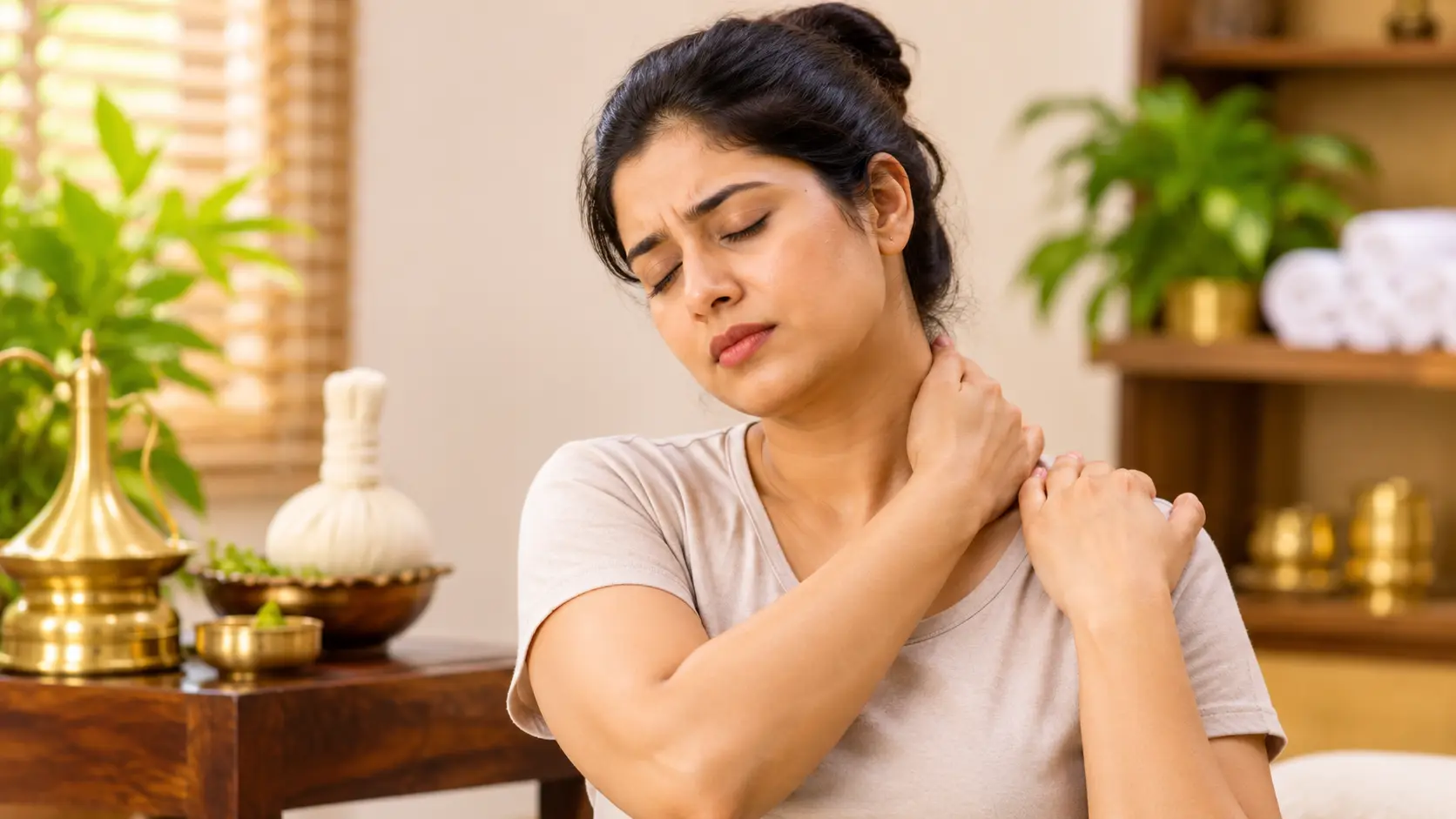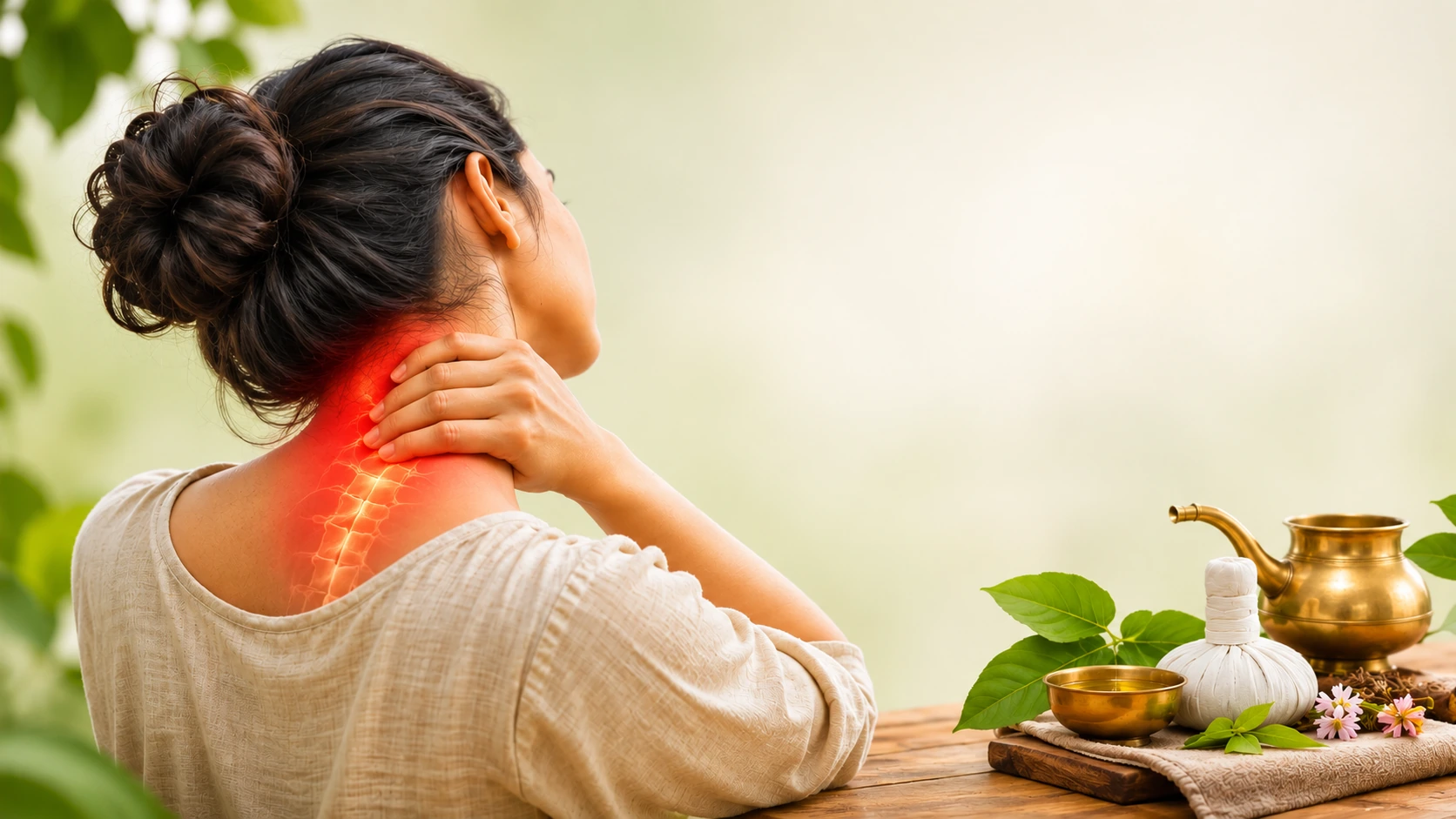
Joint discomfort, muscle tension and restricted movement can make everyday activities, such as walking, climbing stairs or sitting comfortably, more difficult. For people exploring traditional approaches to musculoskeletal care, Ayurveda offers a range of therapies tailored to individual needs.
Upanaham therapy in Sharjah is an option to explore if you are interested in traditional Ayurvedic herbal paste applications. Also known as Upanaha Sweda, this external therapy involves applying a specially prepared herbal paste to a selected area of the body and securing it with a suitable dressing for a prescribed period.
Understanding how Upanaham works, which ingredients may be used and what precautions to consider can help you make an informed decision. This guide explains the traditional procedure, its potential applications, safety considerations and how to choose an Ayurvedic provider in Sharjah.
What Is Upanaham in Ayurveda?
Upanaham is a traditional Ayurvedic external therapy in which a prepared herbal paste is applied to a specific body area and retained with a suitable dressing for a prescribed period. It is traditionally associated with localized care for certain joint and muscle complaints.
The paste may contain selected herbs and other ingredients according to the practitioner’s assessment and the treatment protocol. The formulation, application technique and duration can vary depending on the individual’s needs.
Unlike a conventional massage, Upanaham focuses on applying and retaining a herbal preparation rather than continuous manual manipulation.
In Ayurvedic practice, the therapy may be included in an individualized treatment plan. However, its suitability depends on the person’s symptoms, medical history and professional assessment. It should not be considered a guaranteed cure for joint conditions, inflammation or chronic pain.
How Is Upanaham Therapy Performed?
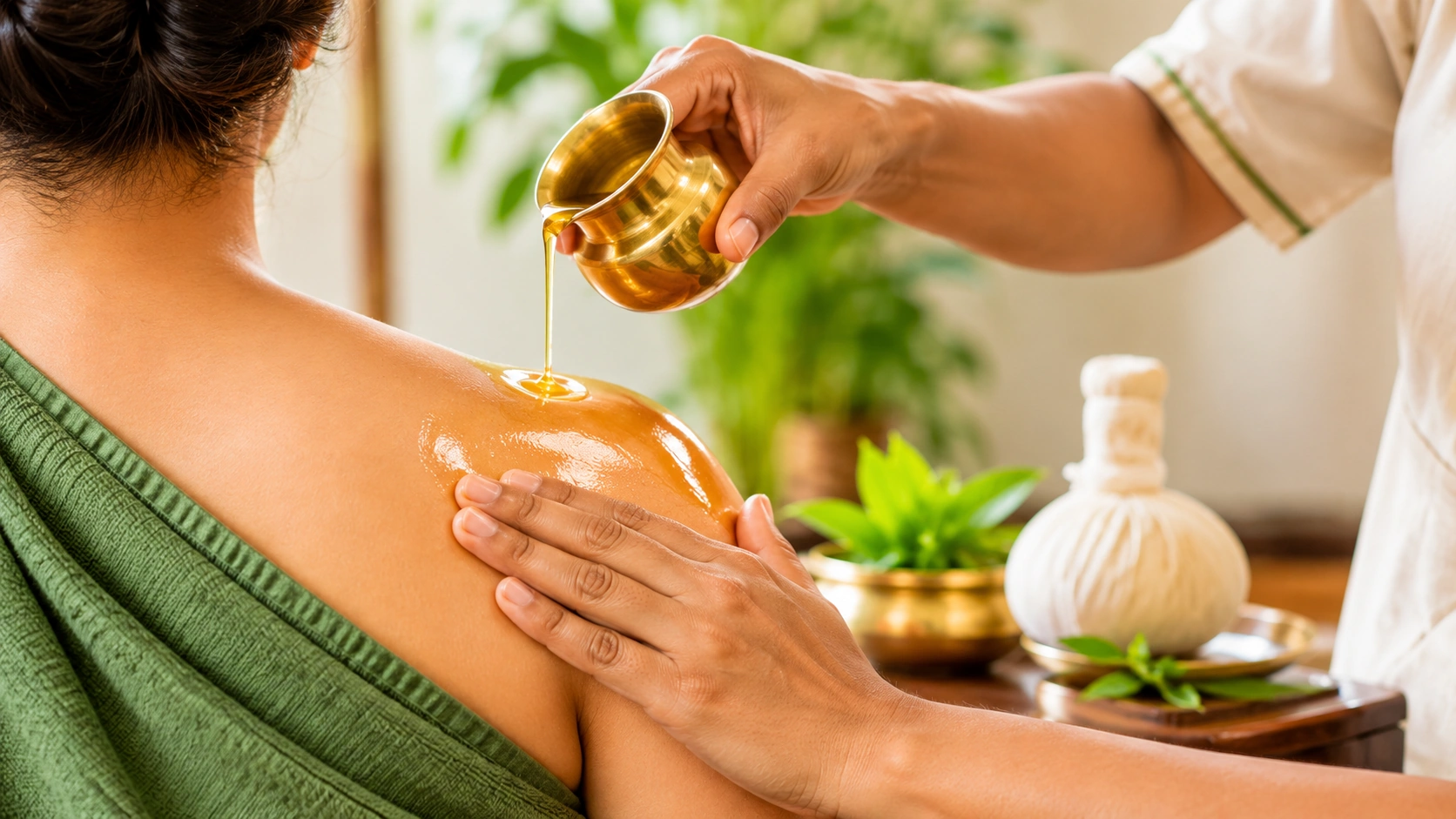
Upanaham treatment generally involves preparing a herbal paste, applying it to the selected area and securing it with a suitable dressing. The exact procedure depends on the practitioner and the individual’s requirements.
A typical session may include these steps:
- Initial assessment: The practitioner reviews your symptoms, health history, skin condition and treatment goals to determine whether the therapy may be appropriate.
- Herbal paste preparation: Selected ingredients are prepared according to the prescribed traditional method. Formulations may vary.
- Paste application: The preparation is applied to the designated body area using the recommended technique.
- Securing the paste: A suitable dressing or bandage may be used to hold the preparation in place for the prescribed duration.
- Removal and aftercare: The paste is removed as instructed, and the treated skin is checked for irritation or discomfort.
The duration is not necessarily the same for everyone. It depends on the treatment protocol, ingredients, application site and individual tolerance. Follow the practitioner’s instructions rather than leaving the paste on longer than recommended.
Traditional Benefits of Upanaham Therapy
Upanaham has a place in traditional Ayurvedic approaches to localized musculoskeletal care. Its intended benefits depend on the formulation, application method and individual circumstances.
Traditional therapeutic aims may include:
- Muscle comfort: Used in some Ayurvedic protocols addressing localized muscle discomfort.
- Joint care: May be considered as part of traditional care for selected joint-related complaints.
- Localized soothing: The application may provide a soothing sensation for some individuals, depending on the preparation.
- Mobility support: May form part of a broader care plan intended to support comfortable movement.
These are traditional applications, not guaranteed clinical outcomes. Evidence for Upanaham as a specific treatment remains limited, and it should not replace appropriate medical assessment or evidence-based care when needed.
If you experience persistent pain, significant swelling, a recent injury or worsening movement difficulties, seek medical advice rather than relying on traditional therapy alone.
Herbs and Ingredients Used in Upanaham
The ingredients used in Upanaham may vary according to the traditional formulation and the practitioner’s assessment. Preparations can contain one or more plant-based ingredients, sometimes combined with other substances to create a paste suitable for topical application.
There is no single universal recipe for every Upanaham treatment. Ingredients should be selected according to the prescribed protocol, and the practitioner should be able to explain what is being applied and why.
Before treatment, ask about:
- The herbs and other ingredients in the preparation.
- Possible allergic reactions or skin sensitivities.
- Whether the paste is suitable for your skin condition.
- The recommended application and removal process.
- What to do if burning, itching or irritation occurs.
Natural ingredients are not automatically safe for everyone. Avoid applying an unfamiliar preparation to broken or irritated skin, and tell the practitioner about any allergies or topical medicines you use.
Safety Considerations Before Undergoing Treatment
Before starting Upanaham therapy, discuss your medical history, current symptoms, allergies and existing treatments with a qualified practitioner. An appropriate assessment helps determine whether the procedure is suitable for you.
Extra care may be necessary if you have sensitive skin, an active skin infection, open wounds, reduced skin sensation or a condition affecting circulation. The treatment area should be assessed before application.
Stop the procedure and seek appropriate advice if you experience burning, a rash, unusual swelling or worsening discomfort. Severe or sudden symptoms require prompt medical assessment.
When considering Ayurvedic treatment in Sharjah, check the practitioner’s qualifications, clinic hygiene practices, ingredient transparency and willingness to explain potential risks. Also, ask how the therapy may fit alongside any medical treatment you already receive.
Exploring Ayurvedic Therapy Options in Sharjah
If you are considering Upanaham treatment in Sharjah, look for a provider who can explain the therapy, assess your suitability and discuss realistic expectations.
When evaluating a clinic, consider the following:
- Practitioner qualifications: Confirm relevant credentials and professional authorization.
- Individual assessment: Choose a provider who evaluates your needs instead of recommending the same treatment to everyone.
- Clear communication: The practitioner should explain the procedure, ingredients, duration, potential risks and aftercare.
- Hygiene: Check that treatment materials and application practices are appropriate.
- Coordinated care: Share information about existing diagnoses, medications and other treatments.
You can contact Manah Ayurveda to explore its Ayurvedic care options in Sharjah. Before booking, confirm whether Upanaham is currently available, whether a consultation is required and what the treatment involves.
Choosing a provider based on transparent information and professional assessment is more useful than relying on broad claims about guaranteed results.
Final Thoughts
Upanaham is a traditional Ayurvedic herbal paste therapy that may be considered within an individualized approach to localized joint and muscle care. Understanding its application process, ingredients, traditional uses and safety precautions can help you decide whether to explore it further.
If you are looking into Upanaham therapy in Sharjah, prioritize a qualified practitioner who provides a proper assessment, explains the treatment clearly and sets realistic expectations. Confirm that the clinic offers the procedure before making an appointment. For persistent or unexplained symptoms, seek appropriate medical advice and consider traditional therapies as part of a carefully planned approach to your overall care.
Frequently Asked Questions About Upanaham
How is Upanaham therapy performed?
The practitioner assesses the individual, prepares a suitable herbal paste, applies it to the selected area and secures it with an appropriate dressing. After the prescribed period, the paste is removed and the skin is checked. The exact procedure depends on the formulation and individual requirements.
What ingredients are used in Upanaham?
Upanaham preparations may contain different herbs and other ingredients, depending on the traditional formulation and treatment purpose. There is no single recipe for every case. Ask the practitioner to identify the ingredients and explain possible allergies, skin reactions and precautions before application.
Is Upanaham suitable for joint pain and muscle discomfort?
A practitioner may consider Upanaham for selected musculoskeletal complaints after an assessment. Its suitability depends on the cause of discomfort, skin health and medical history. Persistent, severe or unexplained pain should be assessed by a qualified healthcare professional before relying on traditional therapy.
What precautions should be considered before treatment?
Tell the practitioner about allergies, skin problems, medical conditions and current medicines. Confirm the ingredients, application duration and aftercare instructions. Avoid applying the paste to broken or irritated skin unless specifically advised by a qualified healthcare professional, and stop if you experience a concerning reaction.
Where can I explore Ayurvedic treatment options in Sharjah?
You can contact Ayurvedic clinics in Sharjah to ask about practitioner qualifications, consultation procedures and available therapies. If considering Manah Ayurveda, confirm directly whether Upanaham is currently offered and whether an initial assessment is required before booking.